

ONE YEAR LATER…
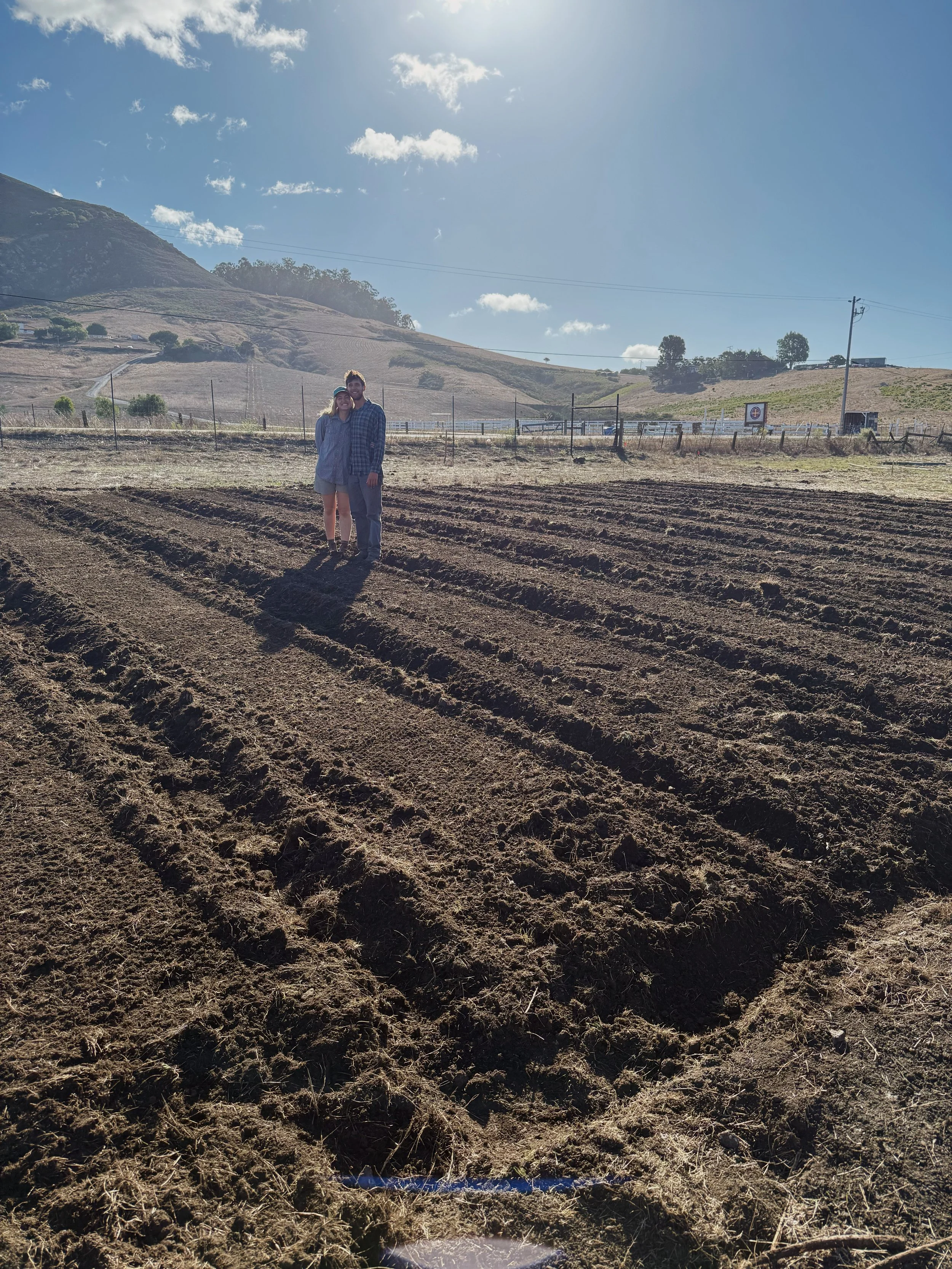
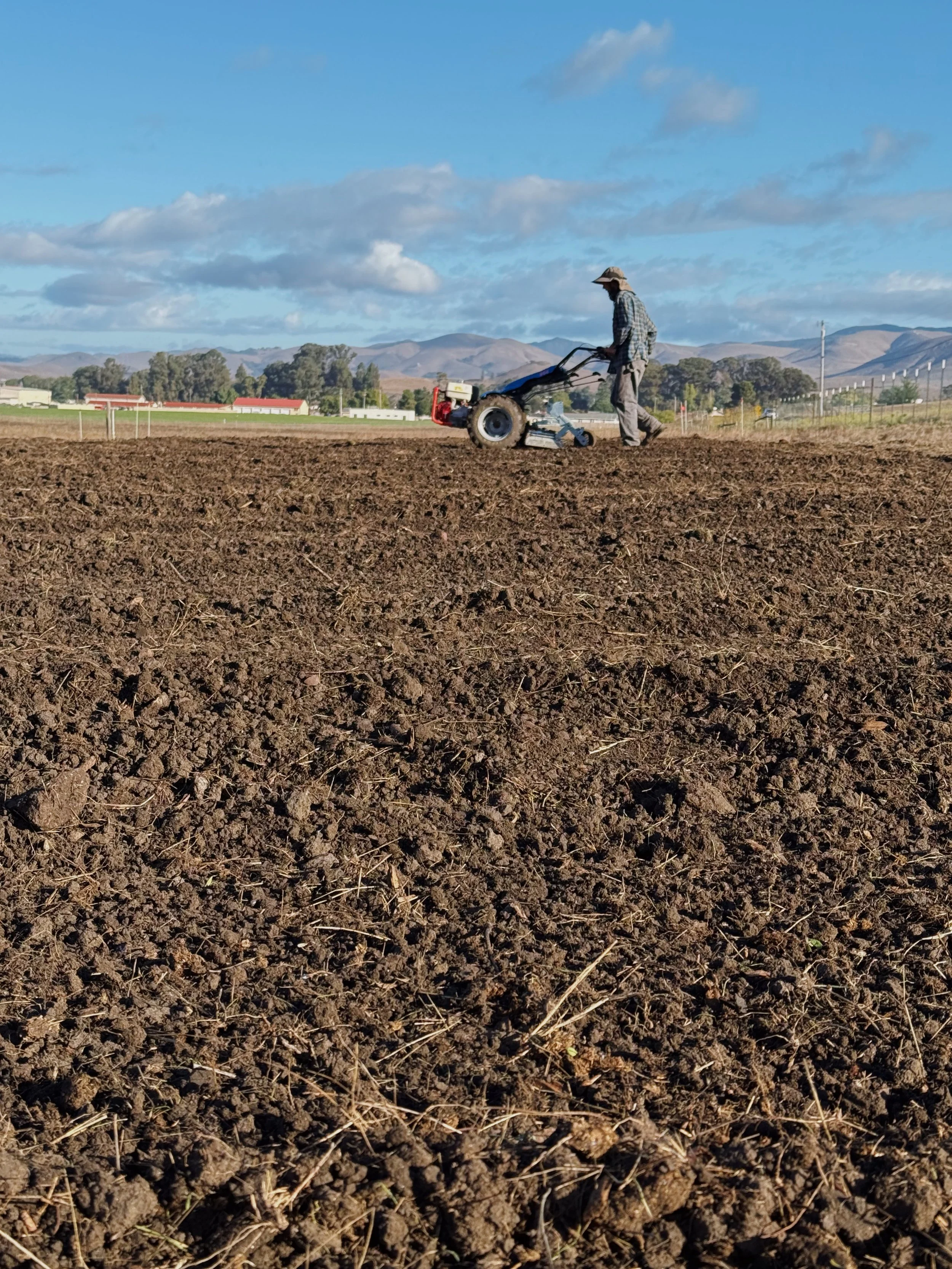
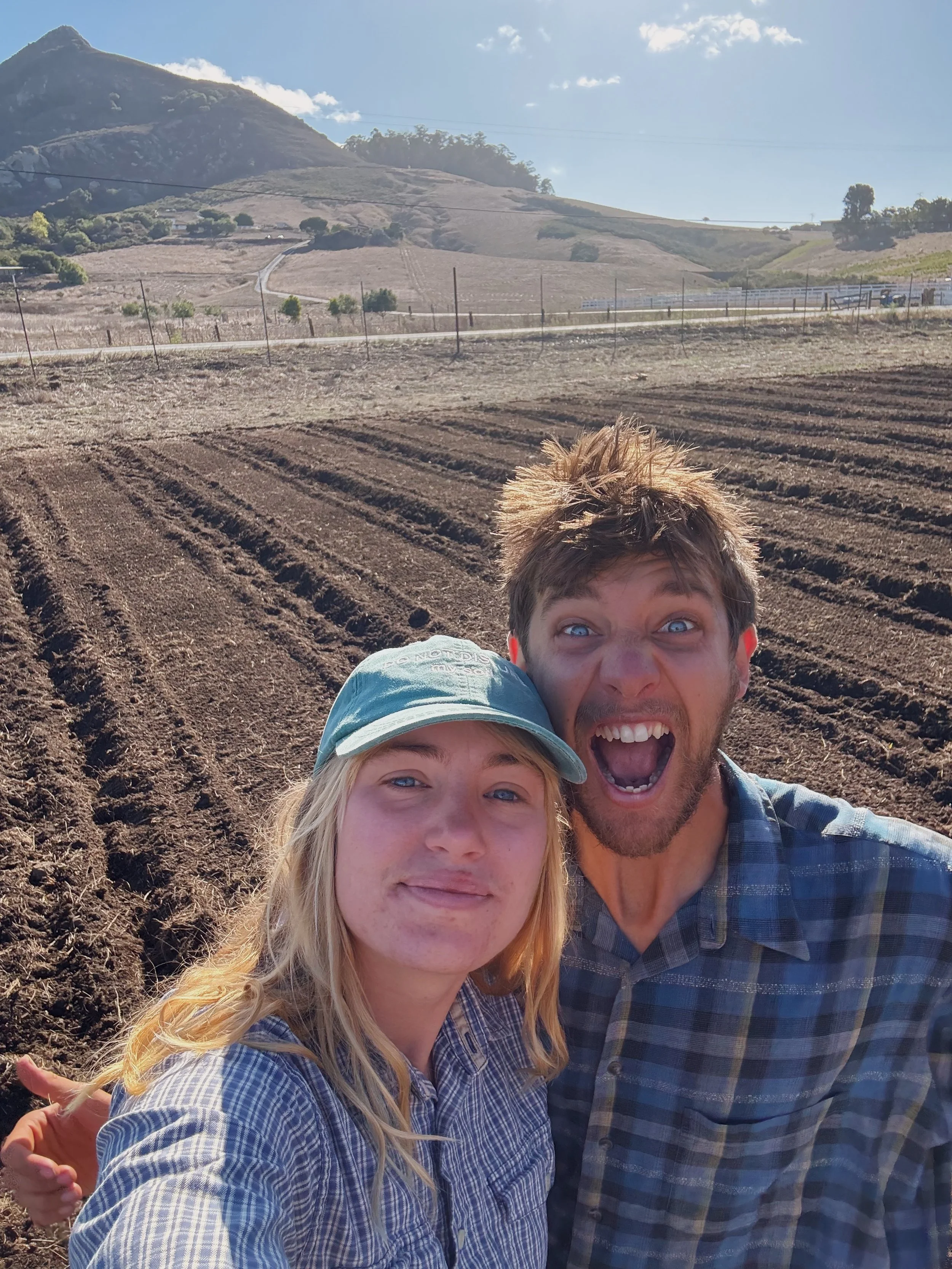
It’s been a year since we broke ground and turned our plots from pasture into permanent vegetable beds. A moment that should be held and embraced before it slips away buried by our endless to-do lists.
What a remarkable year it has been filled with oodles of veggies and goodles of friends at the farm. It’s tempting to only share the glamour in the storytelling of the last year. Maybe it’s just my realism getting in the way, but I think our farm’s story, and you, our farm’s friends, deserve honesty. A real capture of the rolling hills, the ups and downs, the beauty and the difficulty of farming and its journey.
SOME HIGHLIGHTS
Cover cropping.
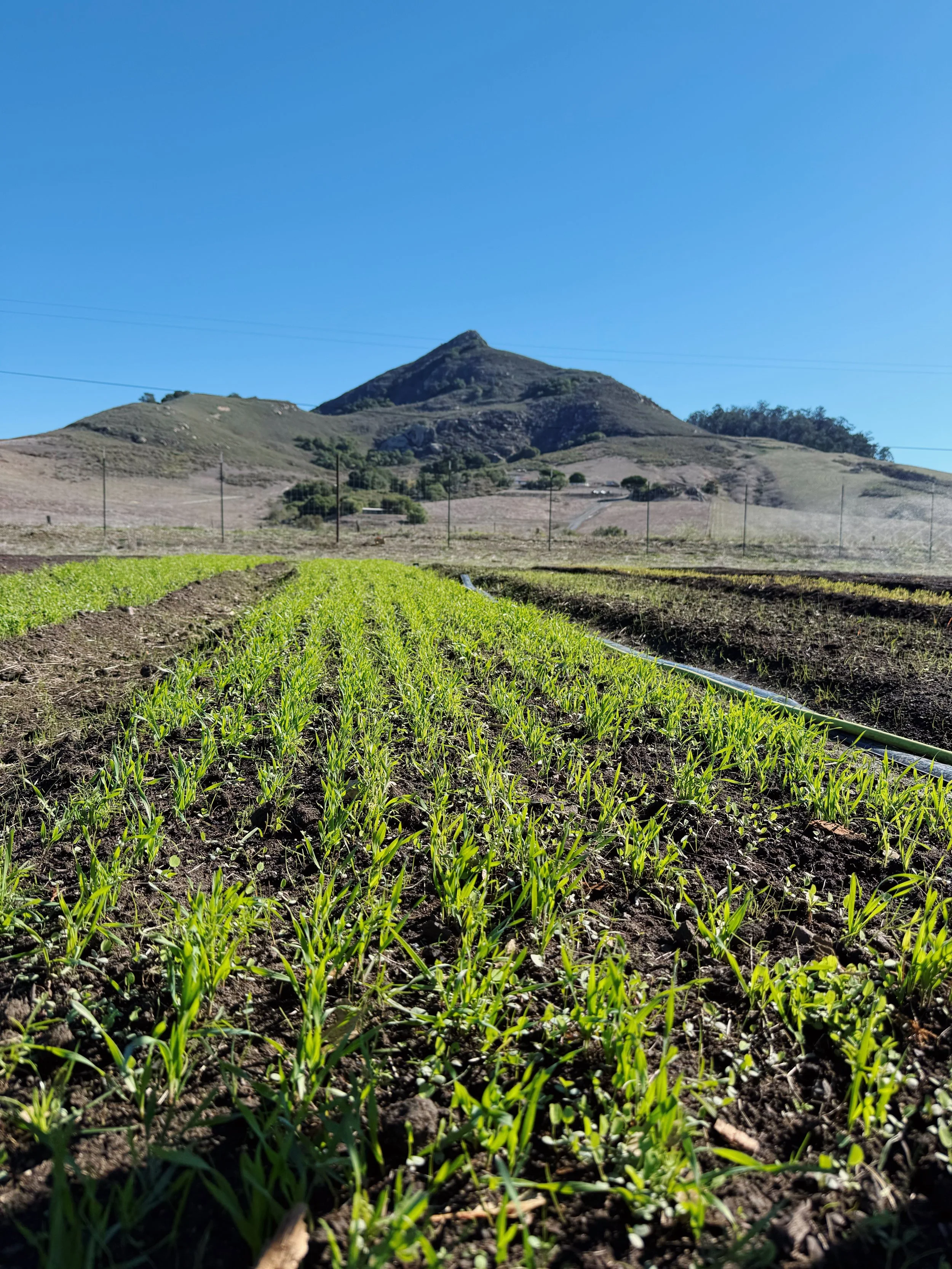
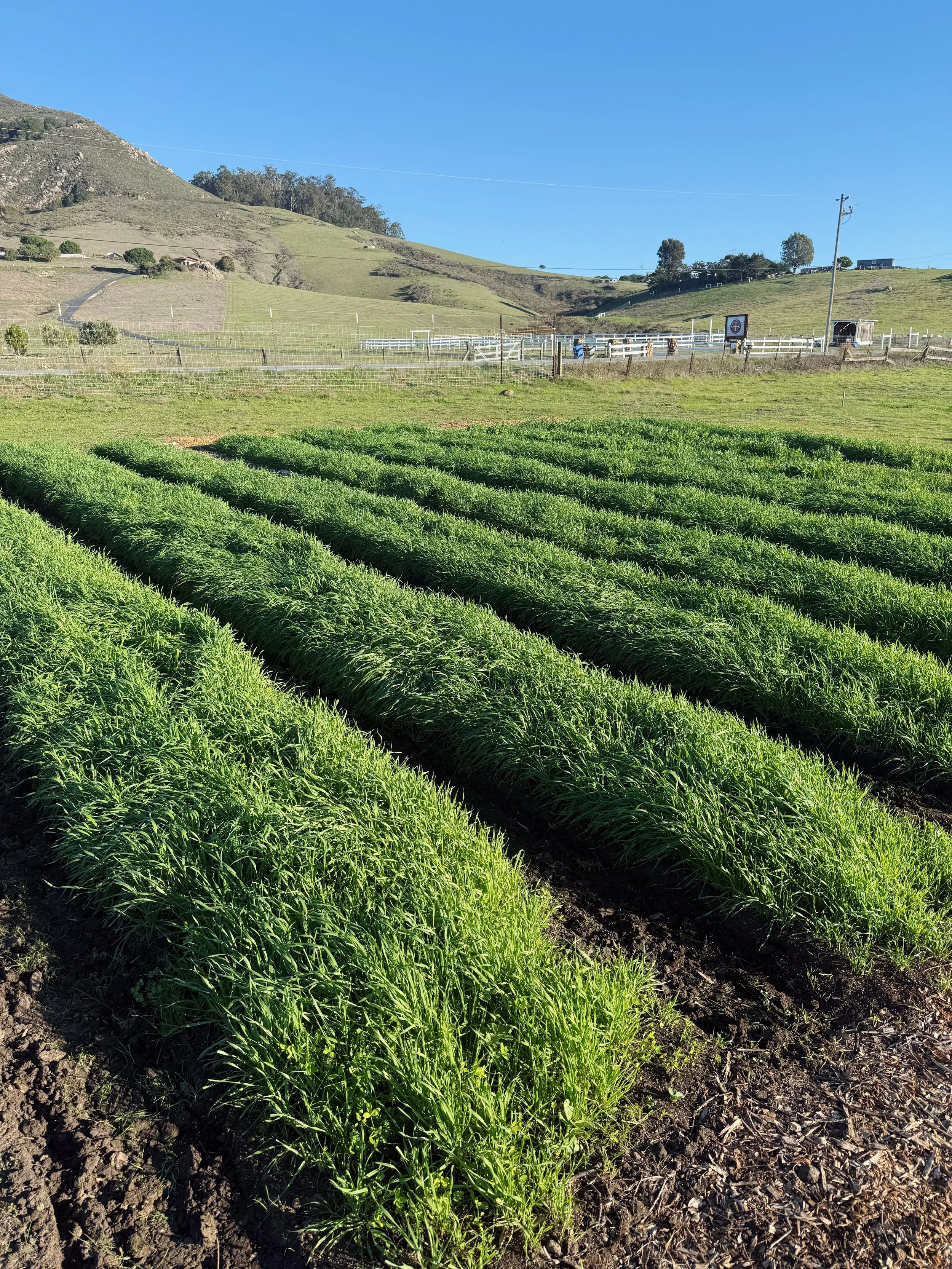
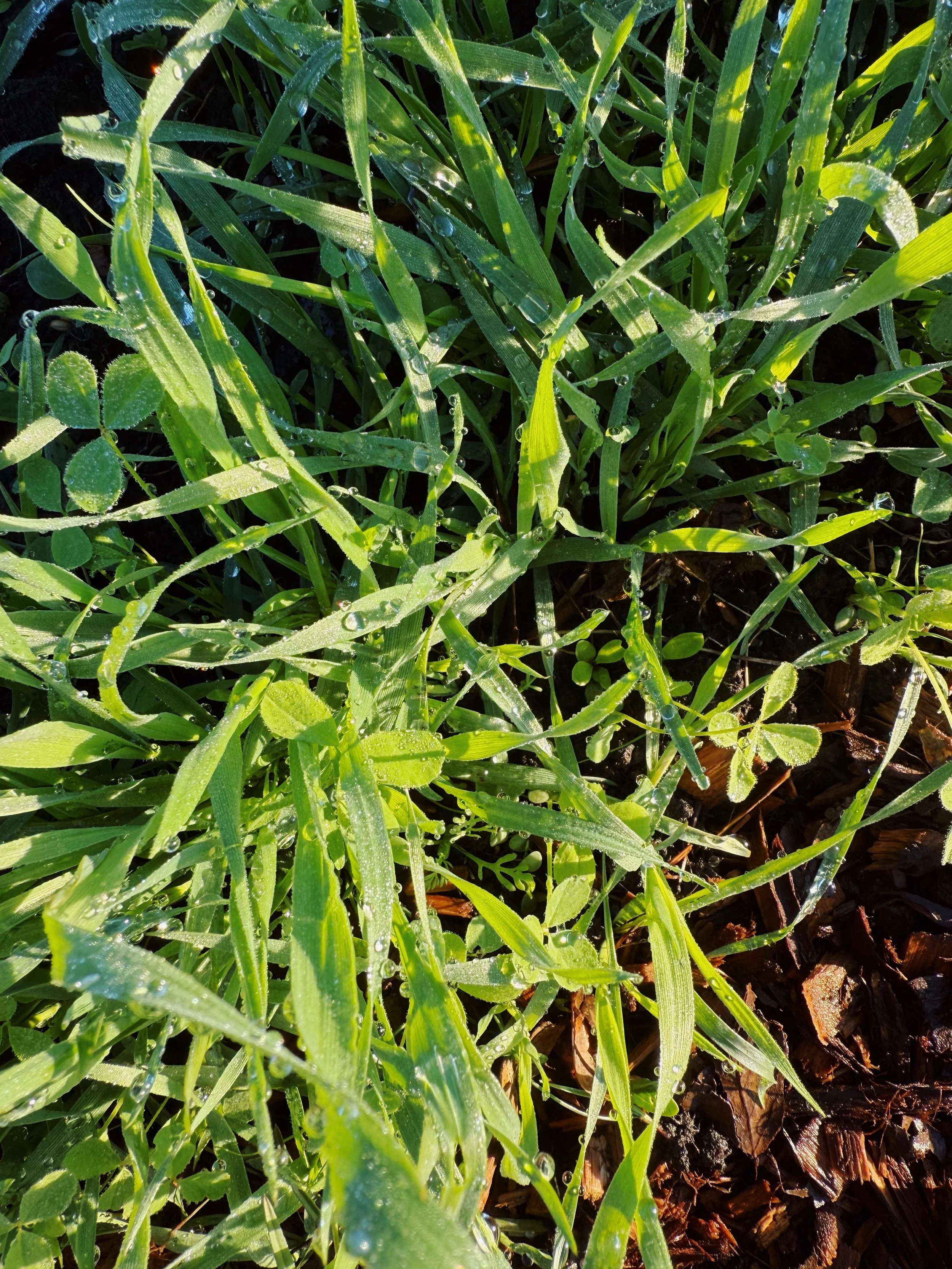
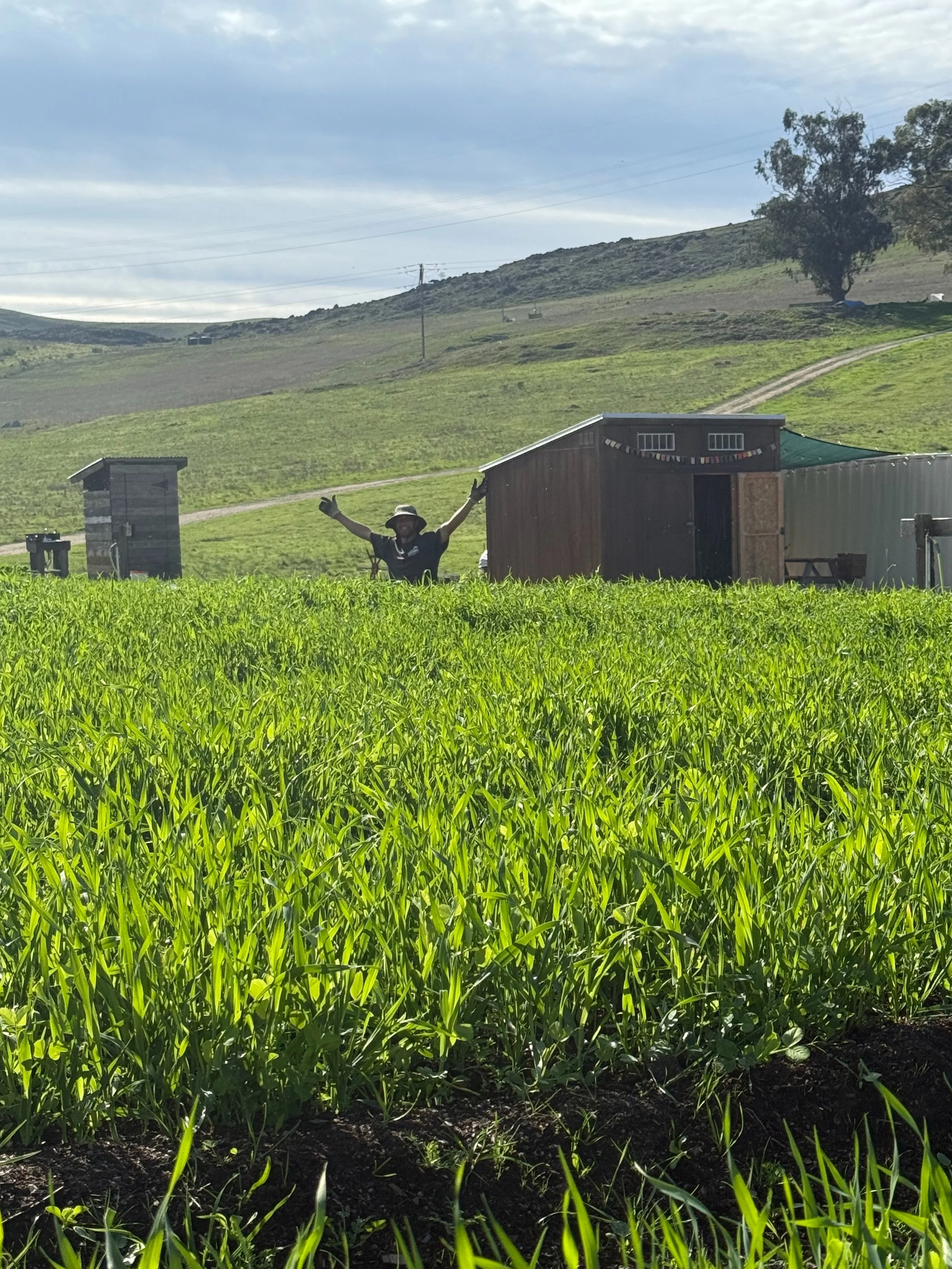
Little did I know or expect that cover cropping in October and November of last year would make it to the top of my list. There was nothing more satisfying than the simple, extraordinary event of watching green cover the bare earth in preparation for our first growing season.
Maybe I’m blinded by time, and those beginning months weren’t quite the fantasy I remember them as, but running to the farm to watch little blades of grass and cotyledons of forbs flush and grow in the late warmth of fall was pure magic.
Our seed catalogs were open on the dinner table, a familiar feeling to most gardeners dreaming about summer’s potential. Yet the true preparation was happening underground: roots breaking up compacted soil, bringing biology and organic matter deep into the earth. Life acting as armor for the topsoil, protecting it from harsh sun, wind, and water.
And one of the best parts? It’s not for sale. No matter how successful the cover crop grew, my mind (even if I wish it wasn’t true) was released from the duties of profitability and got to embrace the simple purity of growing to grow.
Garlic.
A crop and an anticipation that takes as long as a human baby to be ready to come into the world: nine months.
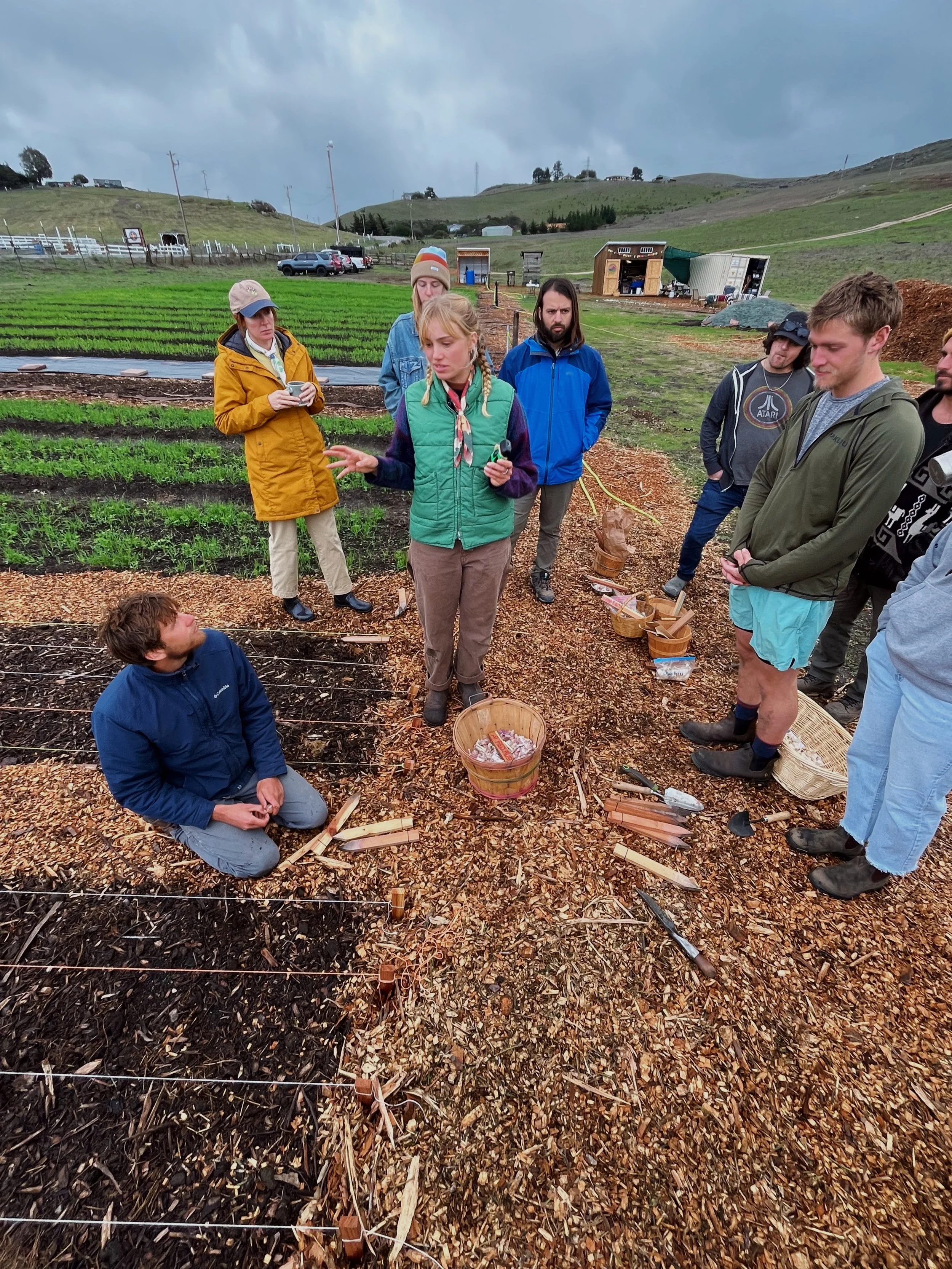
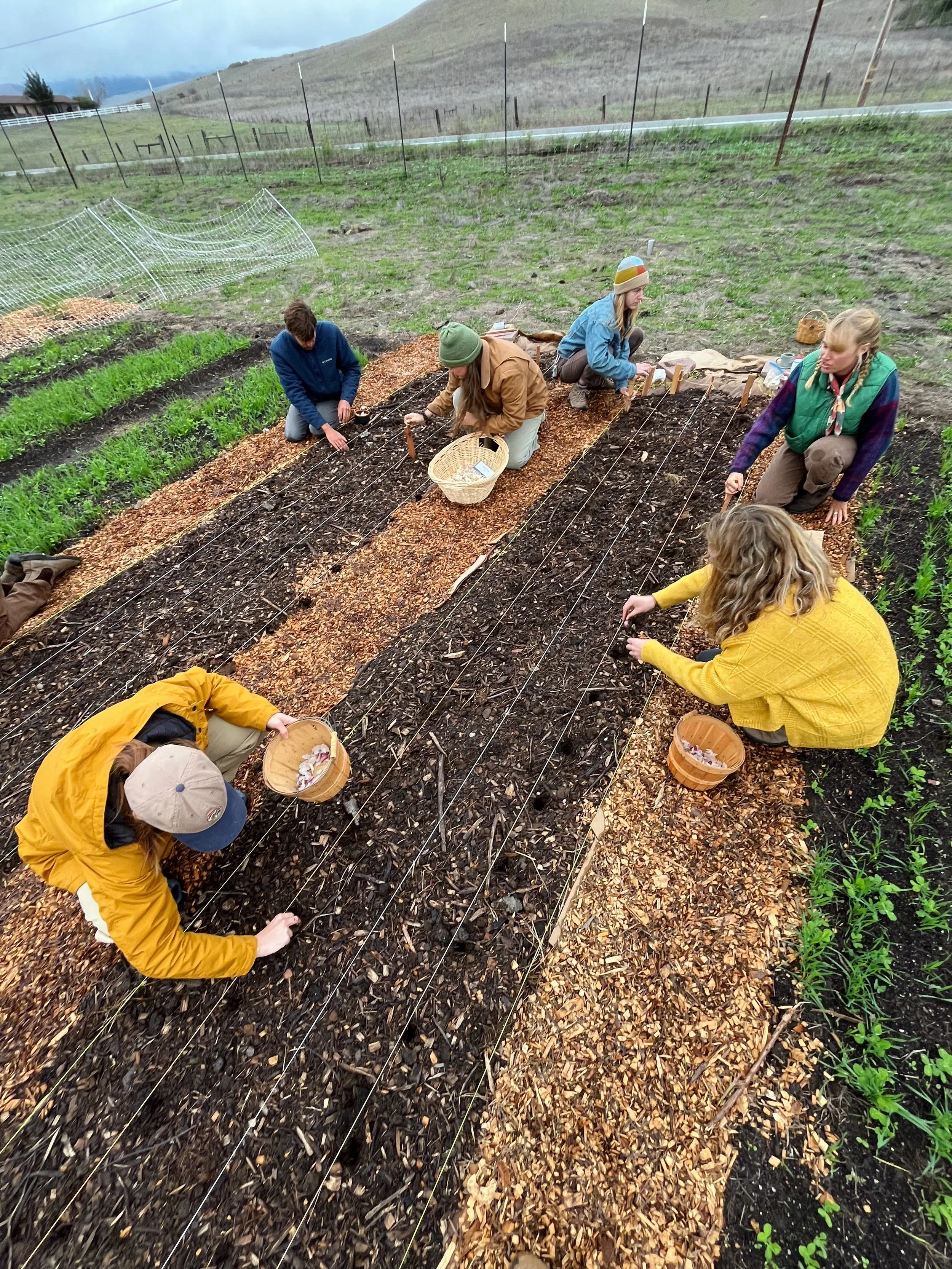
Garlic was the first crop we put in the ground in November, with a group of friends and a potluck. The camaraderie was welcomed and eased my nerves about doing such a big thing: starting a farm. People were SO excited, and that made me excited. I am in debt to the hype of my community. It’s your energy that often keeps me going.
Our garlic crop was subpar, to say the least. It was wiped out early by a fungal disease that affects its leaves called rust. This left us with some weirdly shaped garlic (if you know, you know), and a quote from Jake that says it all: “We’re never growing garlic ever again.” Alas, we immediately changed our minds.
I guess despite garlic being a big flop, it still managed to be a highlight. We get to save the successful cloves and try again, this time with a new strategy: planting early to hopefully beat the wave of rust that comes in early spring. A circular system that gets better each pass around the sun. Plant garlic. Grow garlic. Harvest garlic. Cure garlic. Save cloves to plant again.
Each step with its own opportunity to connect and educate the community. That’s why I love agriculture. It’s the intersection of people, art, science, and tradition. It’s complicated and beautiful.
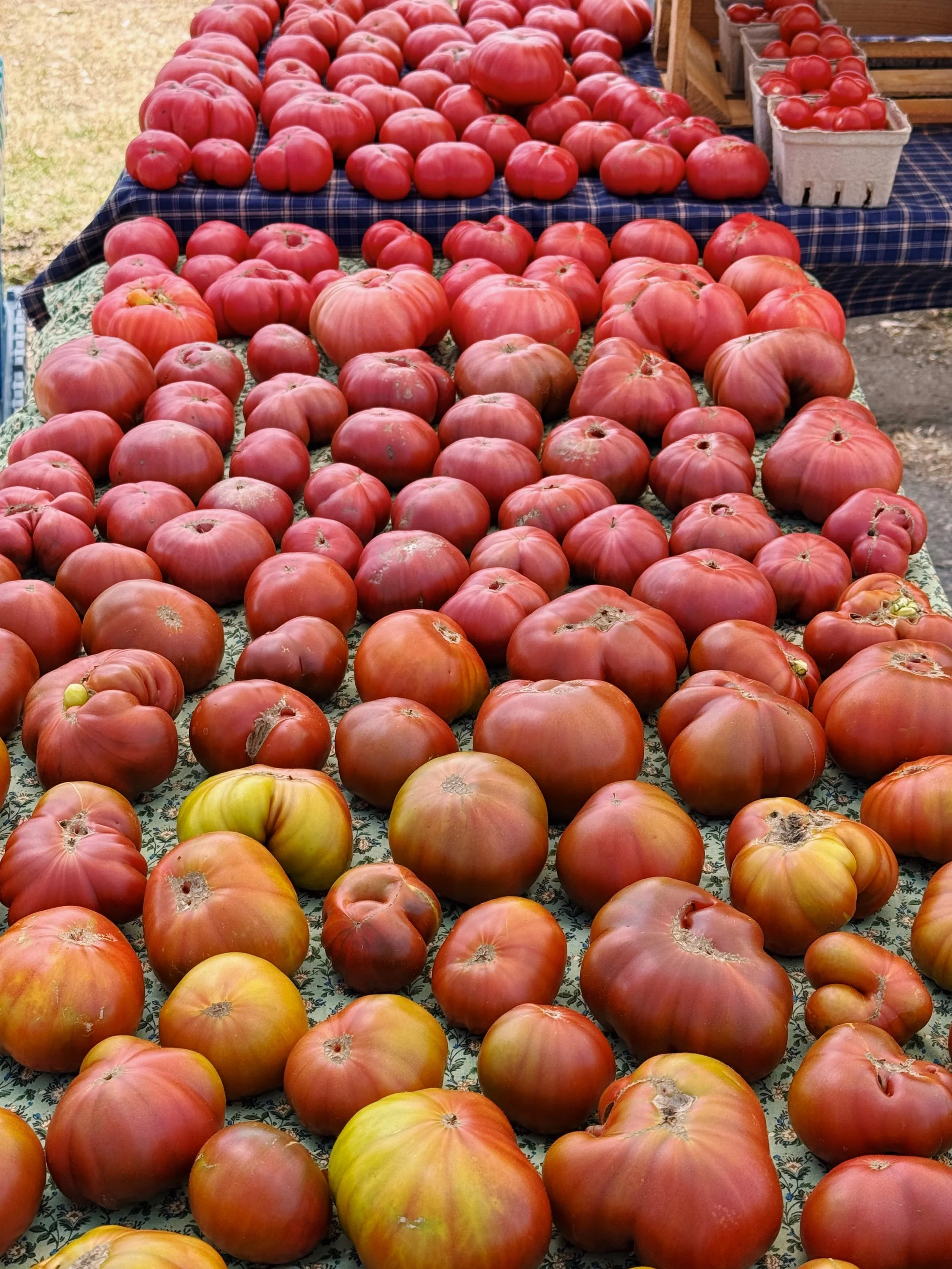
Tomatoes.
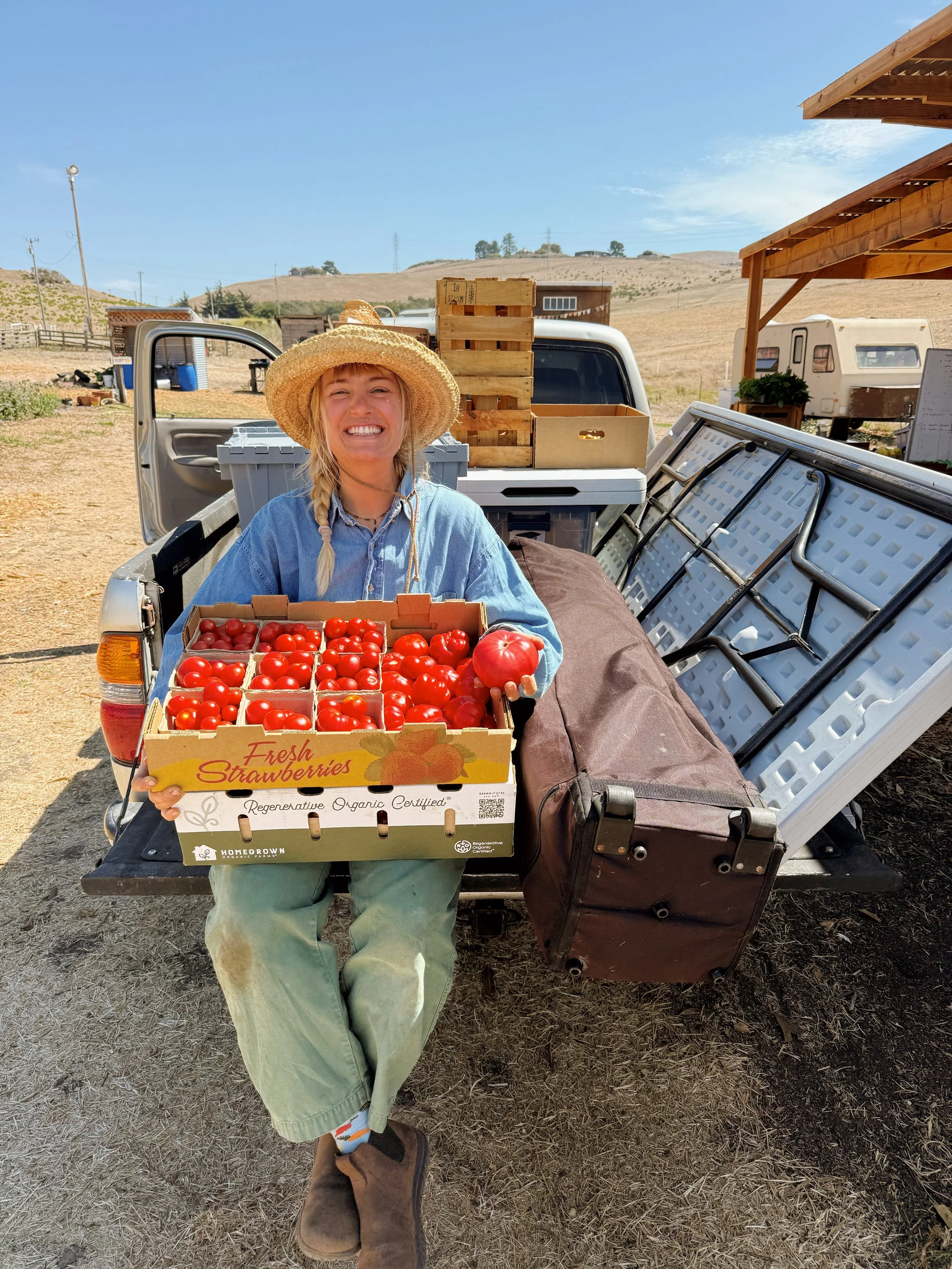
Tomatoes are inevitably the highlight of the season for most farmers. An incomparable fruit with literally thousands of varieties, endless different sizes, shapes, colors, and flavors.
I would argue that as much as the variety makes a good tomato, it’s the composition of the soil that gives tomatoes that wow factor. Having a tasty tomato acknowledged within the farming community is like a stamp of approval that you have good, for lack of a better word, soil.
As someone who was questioning in January whether I would even be able to grow a tomato, there were few times when I felt more pride than when someone I trust tasted my tomatoes and said, “Wow, those are good.” If you want to woo a farmer, that’s the way to their heart. But only say such holy words when you mean it, because this shit matters.
Having tasty tomatoes, and tomato approval, is another push toward next year’s growing season. I’ve already got my varieties picked out, and we are endlessly dedicated to improving the health of our soil.
If you think about it, I’ll be blessed to have only 30 or so more opportunities in my life to grow the perfect tomato. And I’m pretty excited to keep giving it my best shot.
THE VALLEYS
Learning our climate.
Not to say that learning anything should ever be considered a lowlight, but not knowing our climate well before jumping into our first season felt like flying an airplane with a blindfold on.
Everything I knew about growing vegetables is different here. And when you have 20 people showing up to your farm every Monday to get seven items, it can be quite stressful when you thought your peppers would be something you could rely on every week of the summer.
Between the cold June nights and the upper 90s finally arriving in September, I’ve just been confused, trying to put together some sense of our ideal crop plan for next year.
I feel like we managed enough. But I am so excited to go into next year’s season with what I know now. At least I have some sort of roadmap, so I can manage my expectations a little better. Like driving to your destination and not knowing if it’s going to take 10 hours or 10 days.
Soil Composition.
Our soil and water’s mineral composition is heavy clay that lends itself to being sticky and difficult to work with when wet, and hard as concrete, with unbreakable clods, when dry. We recently did soil testing, as you ought to do every year, to check on our main elements and trace minerals for ideal plant production. We also had testing done to measure the biological activity of our soil health.
Our organic matter has gone up. Our soil respiration (essentially, how much of the microbial community is breathing and alive) has gone up. Our biological system, fed by the ferments we run through our drip irrigation and the compost we add between each bed flip, is the lifeline of our farm. And yet, the composition of our soil is making things difficult. It may even be contributing to more pest damage in our crops.
We took this year to see if we could grow without the need for mined minerals, specifically gypsum. Gypsum adds calcium and can help improve the structure of soils tied up by our heavy, heavy magnesium clay and water.
But gypsum is also ripped out of mountains and the earth at rates that can be destructive to forests and the habitats of those that live there. It feels ideal not to need gypsum. And yet our soil tests say otherwise.
So the question becomes: how far can we live within our ideals? Is there a world in which our ideal is our reality? Is years of patience the solution that gypsum can grant us in a single application?
Gypsum feels like a metaphor for the larger decisions that many farmers face: the reality of the extractive nature of agriculture.
With more education and invention, I’m hopeful that we are still discovering truly sustainable ways to grow food. And part of that is daring to match ideality with reality.
The wind.
Okay, simply stated: the biggest hurdle of the season, without a doubt, has been the wind.
Not for our plants. Not for any other reason than it drives us loco crazy.
It’s hard to admit because I’m so fucking grateful not to be farming in 100-degree heat every day from May through October, but the wind is the bane of our existence at the farm. It can turn a perfect day into an overstimulating nightmare that you can’t wake up from.
Okay, I’m done complaining about that one. It just had to make the list. I’m praying for our trees to become a beautiful windbreak one day, and for the wind to not be so bad in the future. Maybe it was just a fluke with this El Niño year, maybe.
Rant over.
TO MANY MORE…
I want to so earnestly keep my fire alive, burning for community, for agriculture, and for all the ways those two things can intersect, from the simplest to the most extravagant. From needing potatoes for a Tuesday night dinner to high-end tasting notes with tomato pairings.
I think reflection and rest are the gentle breeze that makes this lifestyle sustainable. The thing that keeps the fire burning, so to speak. Just as abstinence often leads to indulgence, there is something special about waiting for seasonal food. We wait for the vine-ripe tomato, and then we indulge in its juices until we are canker-sored in the mouth.
I would love farming a whole lot less if it didn’t come with the collapse of tiredness and purpose at the end of the day. A pedulum swing, rather than true balance.
So here’s to continuing to grow food, and continuing to rest and reflect. Both are intentional parts of sustainably feeding our people.
To cover crop, to letting the soil recover, to letting ourselves recover, and then to grow again.
THIS WEEK’S HARVEST
Summer Crops
Heirloom Tomatoes
Paste Tomatoes
Miniature Slicer Tomatoes
Cherry Tomatoes
Zucchini
Armenian Cucumbers
Bell Peppers
Gypsy Peppers
Sweet Carmen Roasting Peppers
All of our summer crops are slowing way down, they are getting old and the shorter days shows, but we’ll see how they do with this heat wave!
The exception being our peppers! They are fall divas and they are delicious, I’ve probably eaten over 10 peppers today, they are so good!
Greens
REALLY GOOD Arugula
Napa Cabbage
Roots and Bulbs
Garlic
Golden Beets
Radishes
Other
Sprouting Cauliflower
Fresh Herbs (also available at the Co-op!)
Tarragon
Genovese Basil (get it before its gone!)
Thai Basil
Tulsi Basil
Sage
Cilantro
Dill
Thyme
& Strawflower Bouquets!
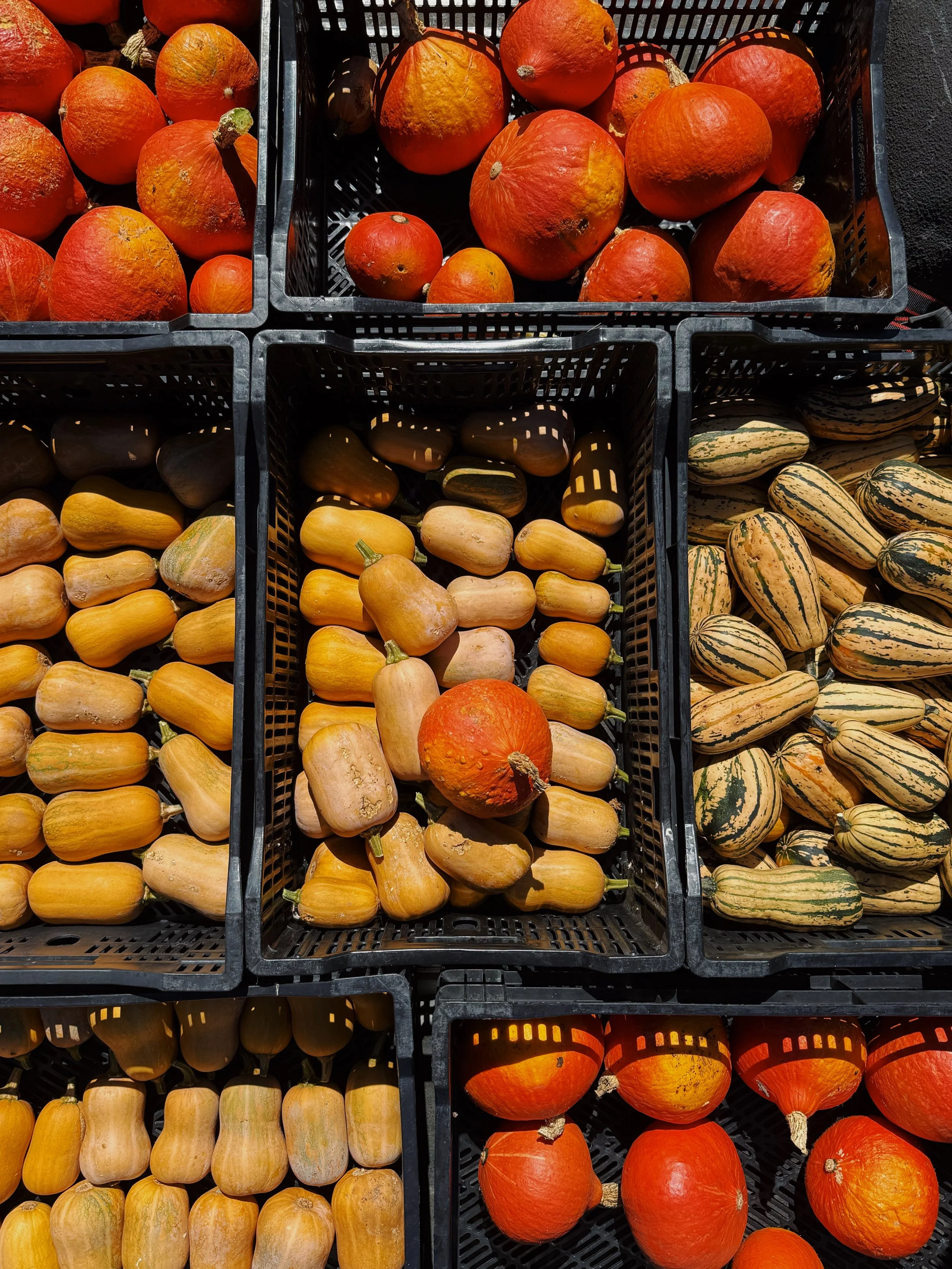
We started harvesting our winter squash. Delicatas will first go to our CSA members and then be available at our farmers markets. Our other squashes are curing and will get sweeter in this heat and time! So excited for butternut squash soup season :)
See you at the farm stand on Mondays (4-6:30) and the Farmers Market on Thursdays in Morro Bay (2-4:30)!
Your farmers,
Jake & Jesse :)