

THE BEST THING WE GROW ISN’T A VEGETABLE + A KOHL(RABI) SLAW RECIPE
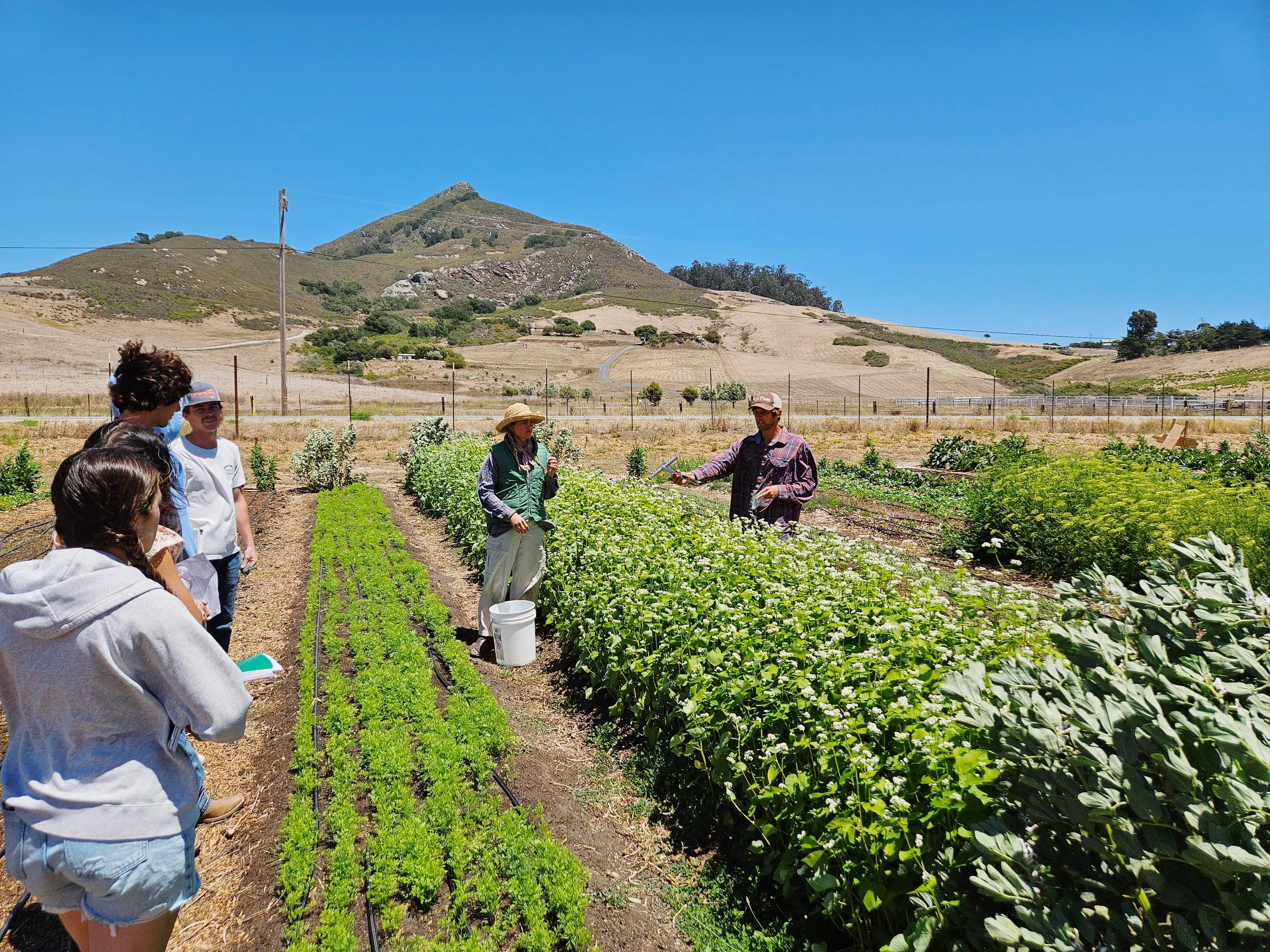
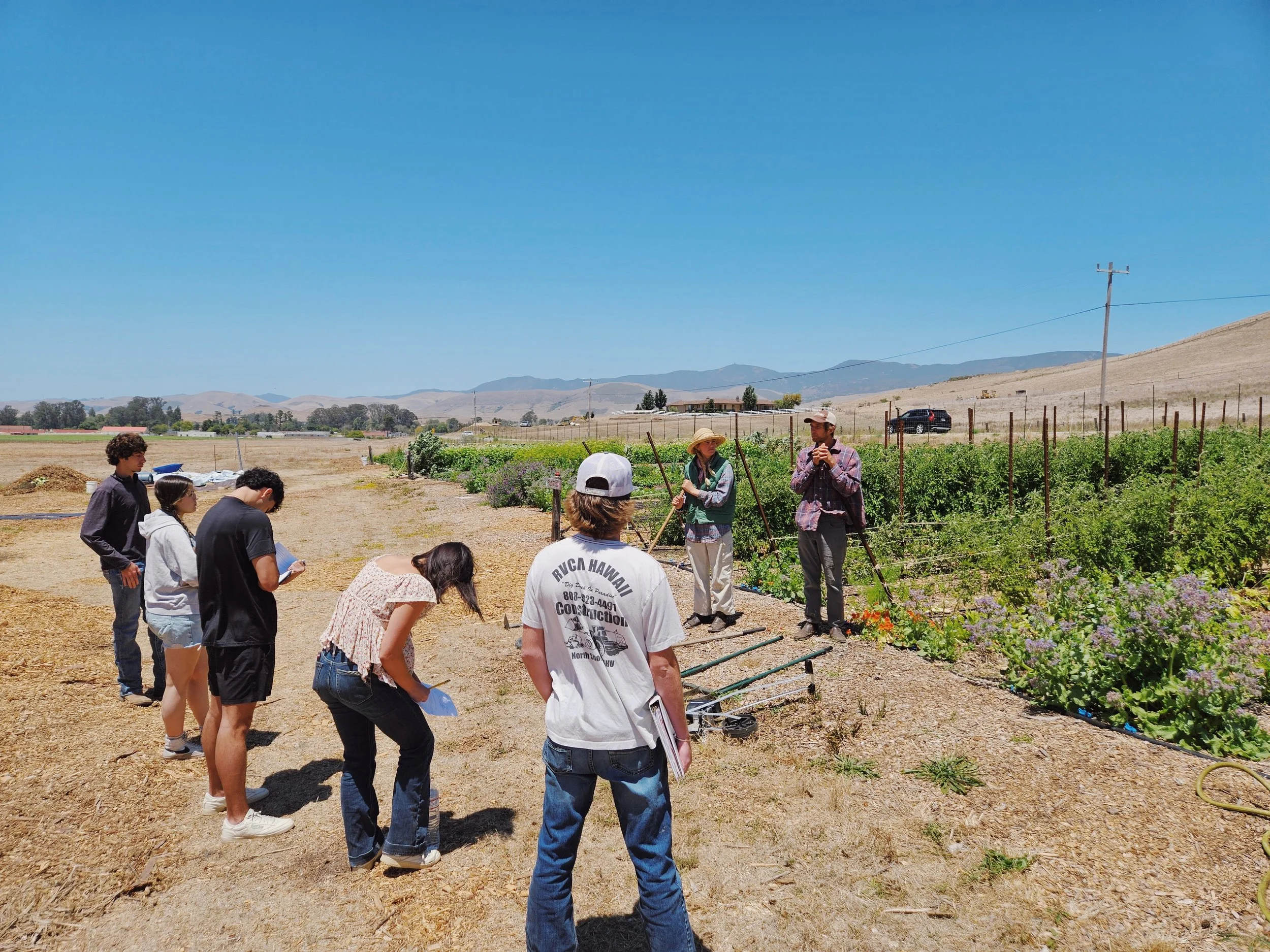
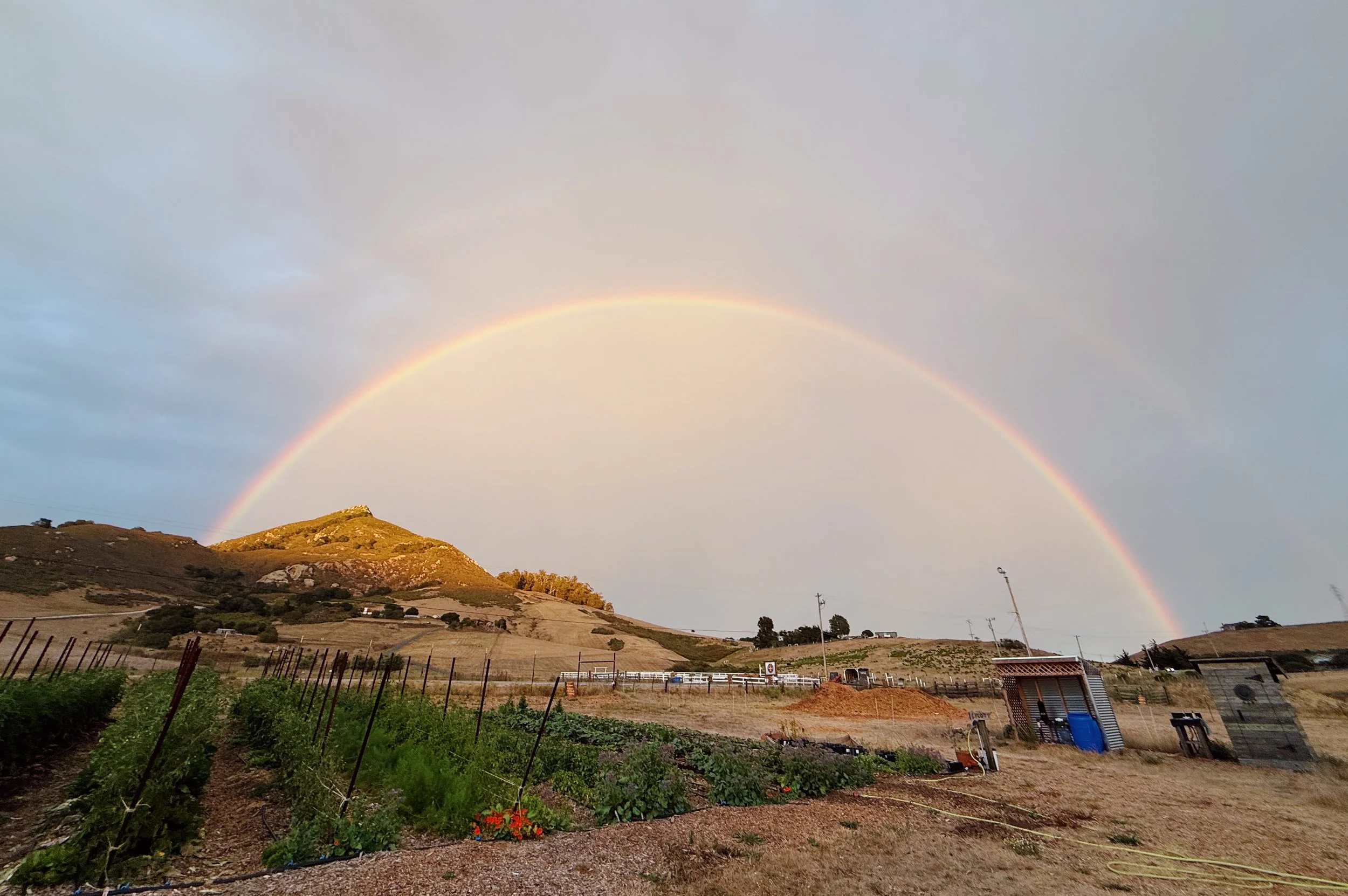
This Wednesday we had the opportunity to host a soils class from Cuesta College at the farm. It was a blast to host and share our growing practices, our favorite tools, and the five principles of soil health. We care so deeply about why we farm the way we do, so it's always fun to have an audience that's curious to learn more!
Since these ideas have been on my mind all week, I thought I'd dive a little deeper into the five principles of soil health and share how we put them into practice here at Tomorro Farm.
I asked the students, "Why does healthy soil even matter? Why go through all this extra work just to build healthier soil?"
Their answers were awesome!
Healthy soils are sustainable. They allow us to continue farming without extracting or depleting the land. Healthy soils grow more nutritious food. They improve water infiltration, support stronger plant growth, and help store carbon from the atmosphere. It's a win-win-win.
1) MINIMIZE DISTURBANCE
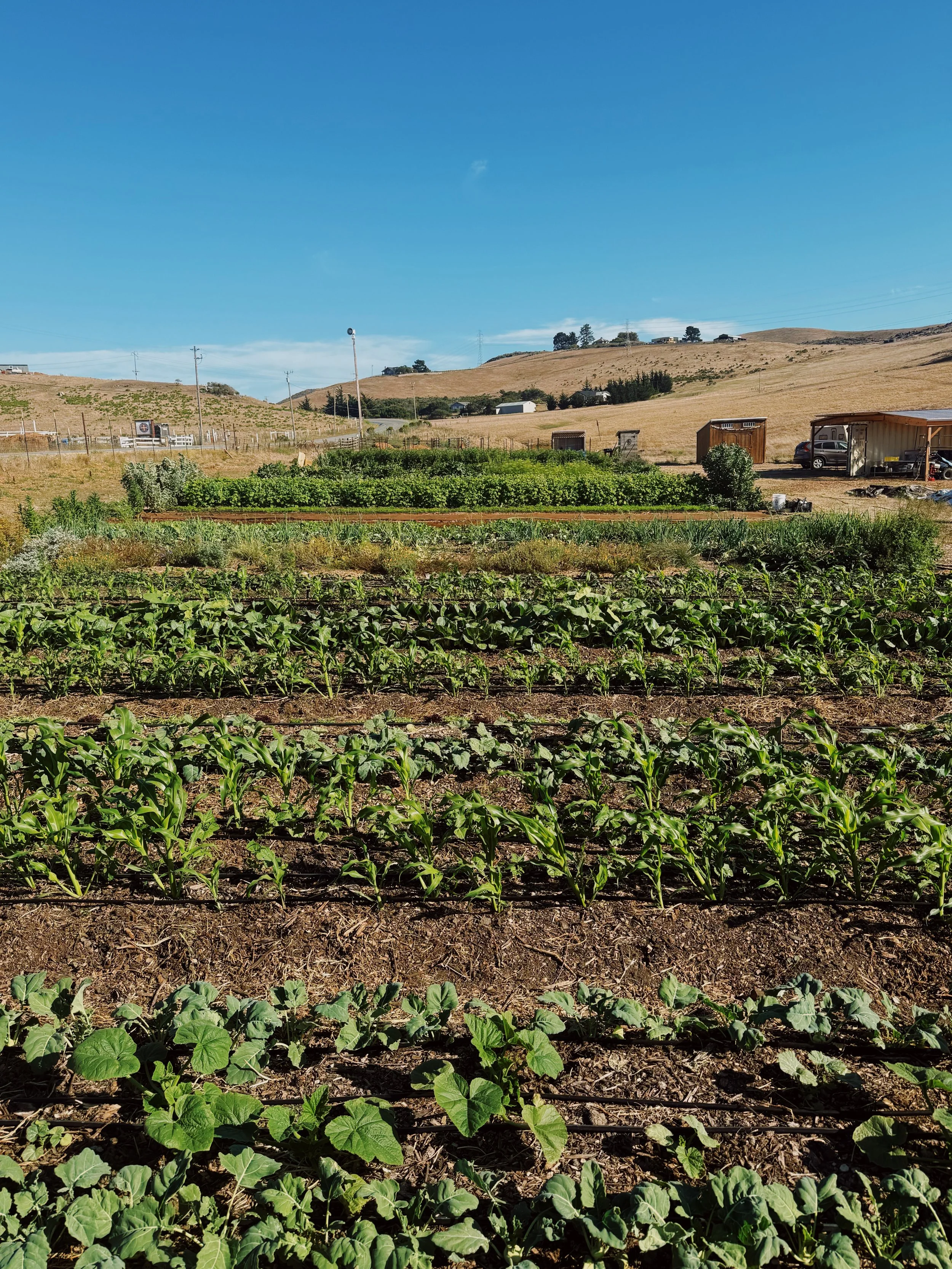
We minimize soil disturbance by using a no-till system with permanent beds. Once a bed is established, we don't plow or till it. The only machinery we use is our small walk-behind tractor, which helps mow finished crops and occasionally mixes residues into just the top inch of soil. Instead of relying on tillage to loosen the ground, we let plant roots, cover crops, compost, and time do the work. When we need extra aeration, we use a hand tool called a broadfork.
Healthy soil is a living ecosystem. Tillage disrupts that ecosystem by breaking apart the fungal networks that help plants access water and nutrients, disturbing the microorganisms that recycle nutrients and build healthy soil, and destroying the natural soil structure created by roots, fungi, and organic matter. While tillage can be a useful tool in some situations, minimizing disturbance allows these underground relationships to grow stronger over time, resulting in healthier soil, better water infiltration, and more resilient crops.
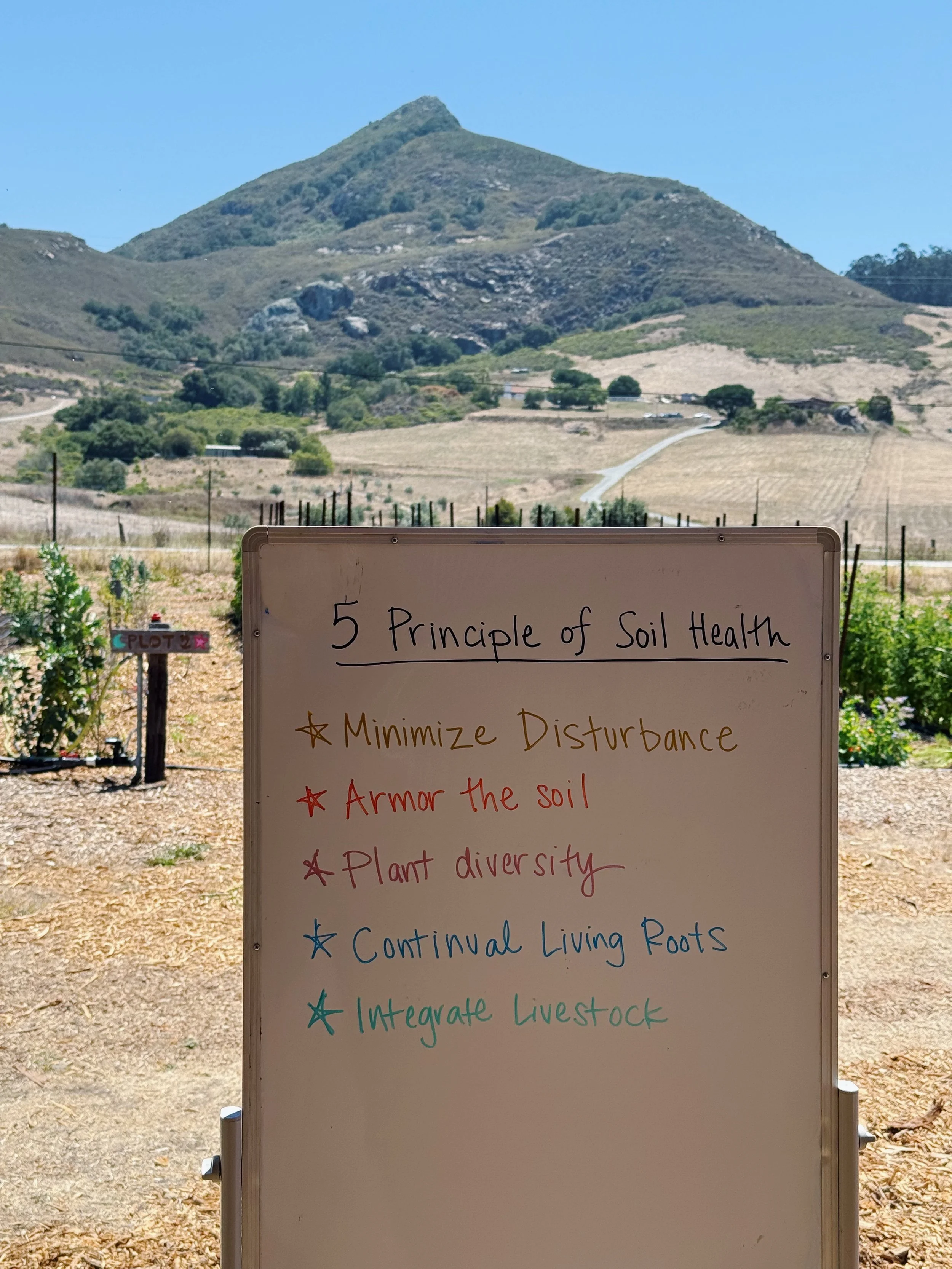
2) ARMOR THE SOIL
Our goal is to keep the soil covered year-round. Whenever possible, we use living mulches like clover or grow a second crop alongside a larger one. We also use compost as mulch and occasionally straw.
Bare soil is vulnerable. Rain and wind can erode it, and intense sunlight can dry it out and reduce biological activity near the surface. Keeping the soil covered helps protect all the life beneath it while improving moisture retention during the heat of summer.
3) PLANT DIVERSITY
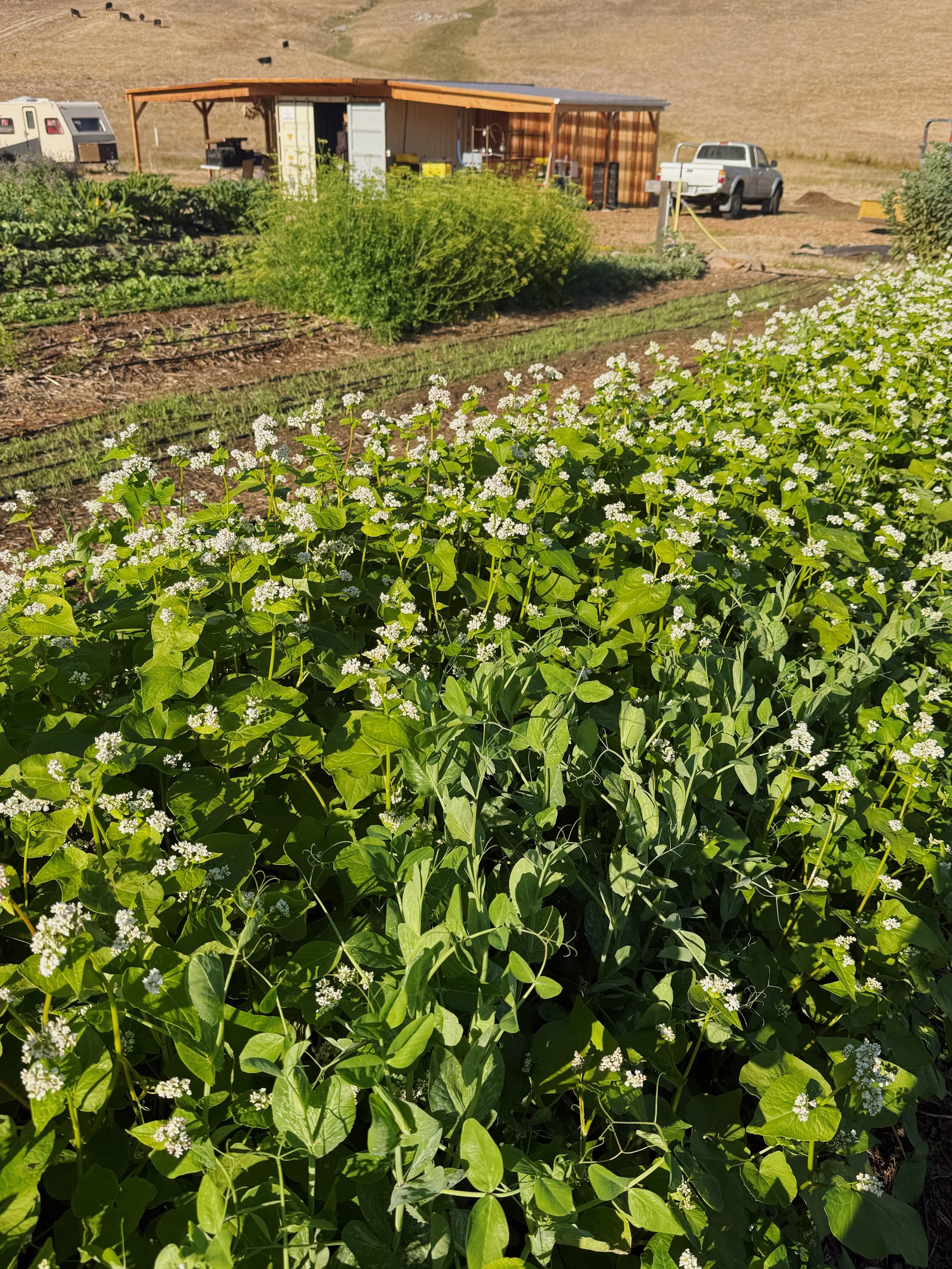
Very few of our beds contain just one crop. We companion plant, relay crop, and rotate crops throughout the season.
For example, when tomatoes are first transplanted they're tiny, leaving plenty of room for quick-growing crops like lettuce, spinach, or beets. By the time those are harvested, the tomatoes have grown into the space.
We also rotate our crops from bed to bed, and after a couple of production cycles we return that space to a cover crop. Monoculture can make a field more vulnerable to pests, disease, and nutrient imbalances, while planting a diversity of crops helps build resilience above and below ground. Beyond the vegetables, we've planted native flowers and habitat that support pollinators and beneficial insects. Diversity above ground creates diversity below ground too.
4) CONTINUAL LIVING ROOTS
When we first formed plot 1, it was a commitment: to keep the plot growing with living roots, hopefully forever.
Plants are constantly feeding the soil through photosynthesis. Their roots release sugars that nourish microbes, fungi, and the entire soil food web. Without living plants, soil biology slows down dramatically.
Whenever one crop finishes, we try to replace it immediately with another crop or a cover crop. Sometimes that's the very same day. The longer living roots stay in the ground, the healthier the soil becomes.
5) INTEGRATE ANIMALS
Across the country, farms continue to get larger while small farms disappear. One consequence is that many farms separate crops from livestock, even though they've historically worked together. In our industrial agriculture era, we’ve got feed lots that produce meat, and monocultures that produce food.
Animals are incredible nutrient recyclers. Their manure feeds soil biology and returns valuable nutrients to the land.
Right now we integrate animals by making hot compost using manure from local equine facilities. Someday we'd love to add chickens into our crop rotations to help manage cover crops while naturally fertilizing the soil. It's a goal that's still on the dream board, but one we're excited about.
Healthy soils feed healthy people, who build healthy communities.
That simple idea is at the heart of everything we do here at Tomorro Farm.
If you'd ever like to learn more or see these practices in person, stop by our Farmstand on Mondays from 4:00–6:30 p.m. We'd be happy to show you around the garden and talk soil.
RECIPE OF THE WEEK: KOHL(RABI) SLAW
For some reason last fall, I thought planting six successions of kohlrabi was a great idea.
I don't regret it (okay maybe a do a little, but I do still love kohlrabi). I just know it's a vegetable that leaves a lot of people wondering, “what do I do with this?”
Don't let its funny shape fool you, kohlrabi is one of the easiest vegetables to enjoy. It has the crisp texture of an apple with the mild, sweet flavor of broccoli stems.
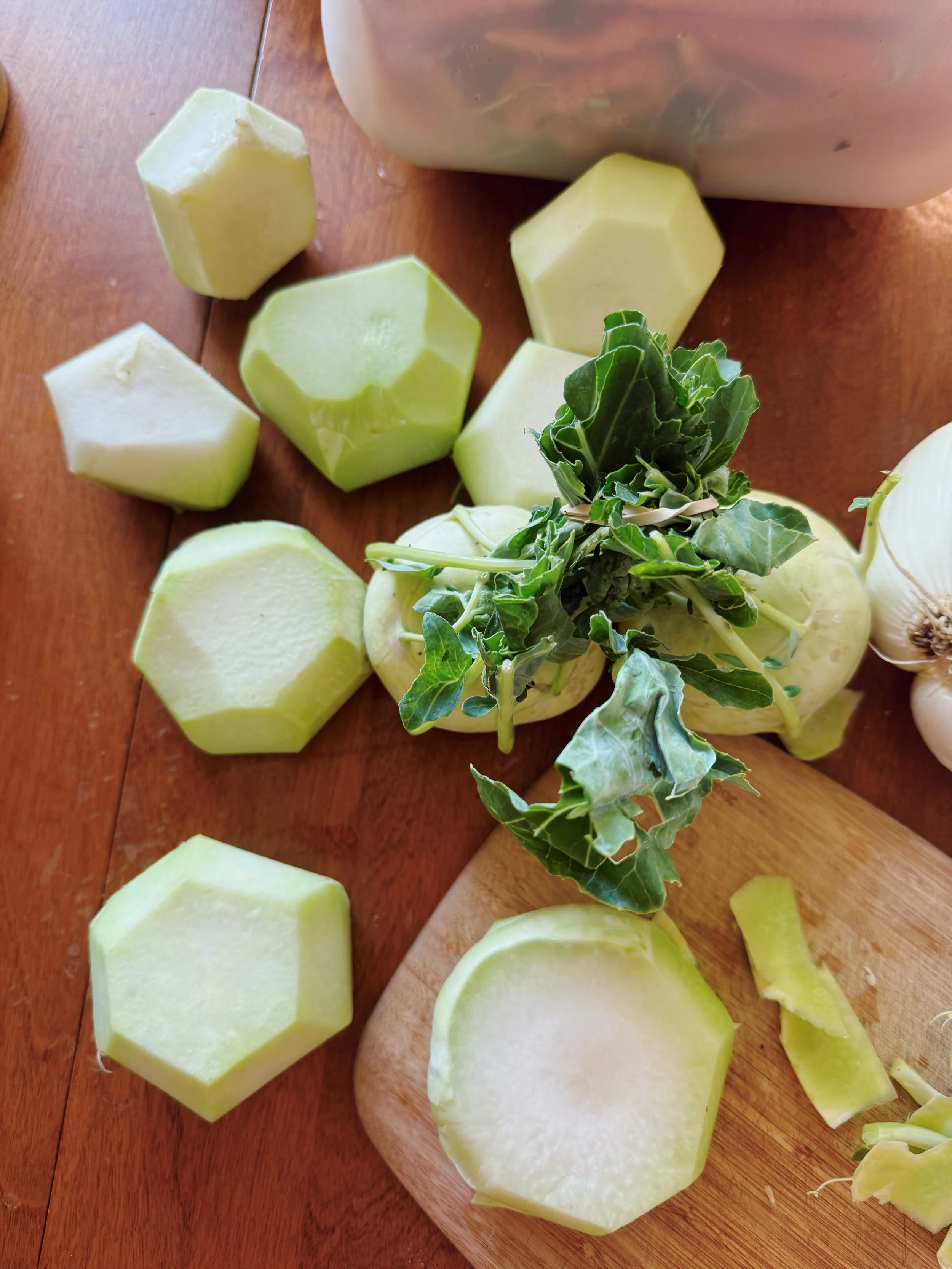
How to Prep Kohlrabi
• Trim off the leaves (save them - they're delicious sautéed like kale!)
• Cut off the tough top and bottom.
• Peel away the thick outer skin with a knife or vegetable peeler.
• Slice, dice, shred, or roast the tender white interior.
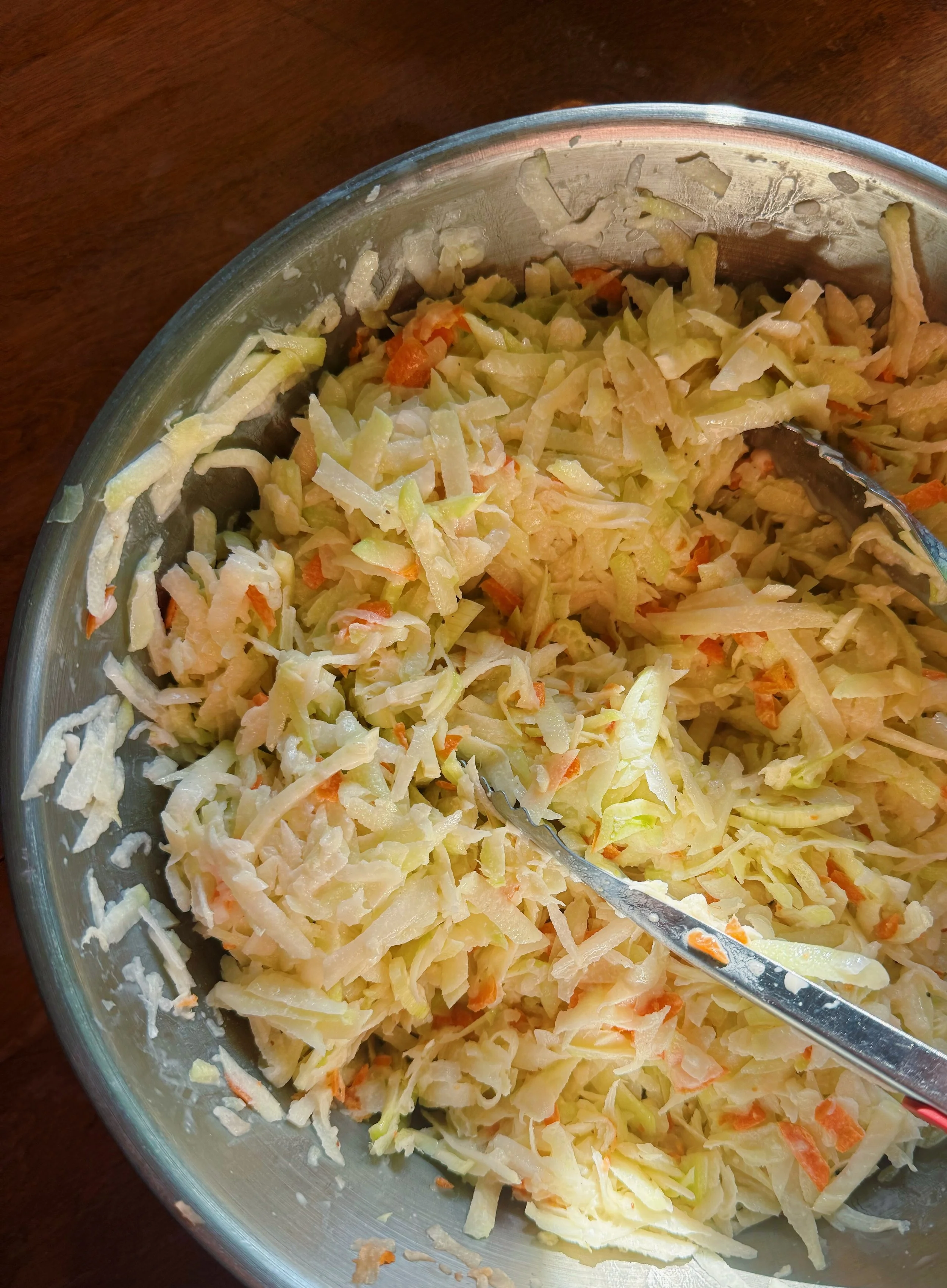
Classic Kohl(rabi) Slaw
- 2-3 medium kohlrabi, peeled and shredded (I use a cheese grater)
- 1 small walla walla onion, shredded
- 2 carrots, shredded
- ¼ cup mayonnaise or full fat yoghurt
- 2 tablespoons apple cider vinegar
- 1 tablespoon honey or maple syrup
- 1 teaspoon Dijon mustard
- Salt to taste
- Optional: celery, celery seed, parsley
Whisk together the mayonnaise, vinegar, honey, mustard, salt, and pepper. Toss with the shredded kohlrabi and carrots. Chill for at least 20 minutes before serving.
More Ways to Enjoy Kohlrabi
• Slice into sticks for snacking with hummus or ranch.
• Roast with other veg at 425°F with olive oil, salt, pepper, and garlic for 25–30 minutes.
• Mandeline thin slices and add to salads for extra crunch.
• Add to any asian stir-fry as a broccoli substitute.
• Cube into soups and stews like potatoes.
• Use the leaves in soups, pasta, with eggs, or sautéed with garlic.
Storage
Store unpeeled kohlrabi in the refrigerator. If the leaves are attached, remove them first and store separately. The ‘bulb’ will stay crisp for 2–3 weeks.
THIS WEEK’S VEG FORECAST
Visit the farm for our Farm Stand!
Mondays 4:00–6:30 PM
Find us at the Morro Bay Farmers Market
Thursdays 2:00–4:30 PM
Fresh deliveries to the Avocado Shack every Monday!
This week's availability:
• Bok choy
• Kohlrabi!
• Radishes
• Chioggia beets (the last for a while)
• Mellow Mix
• Moody Mix (our radicchio blend)
• Mighty Mix (our hearty braising greens blend)
• Spicy arugula
• Walla Walla onions (almost done for the season!)
• Zucchini
• The first tomatoes and cucumbers of the summer! (arrive early) 🍅🥒
& Herbs:
• Sage
• Thyme
• Tarragon
• Oregano
• Thai basil
• Genovese basil
• Tulsi basil
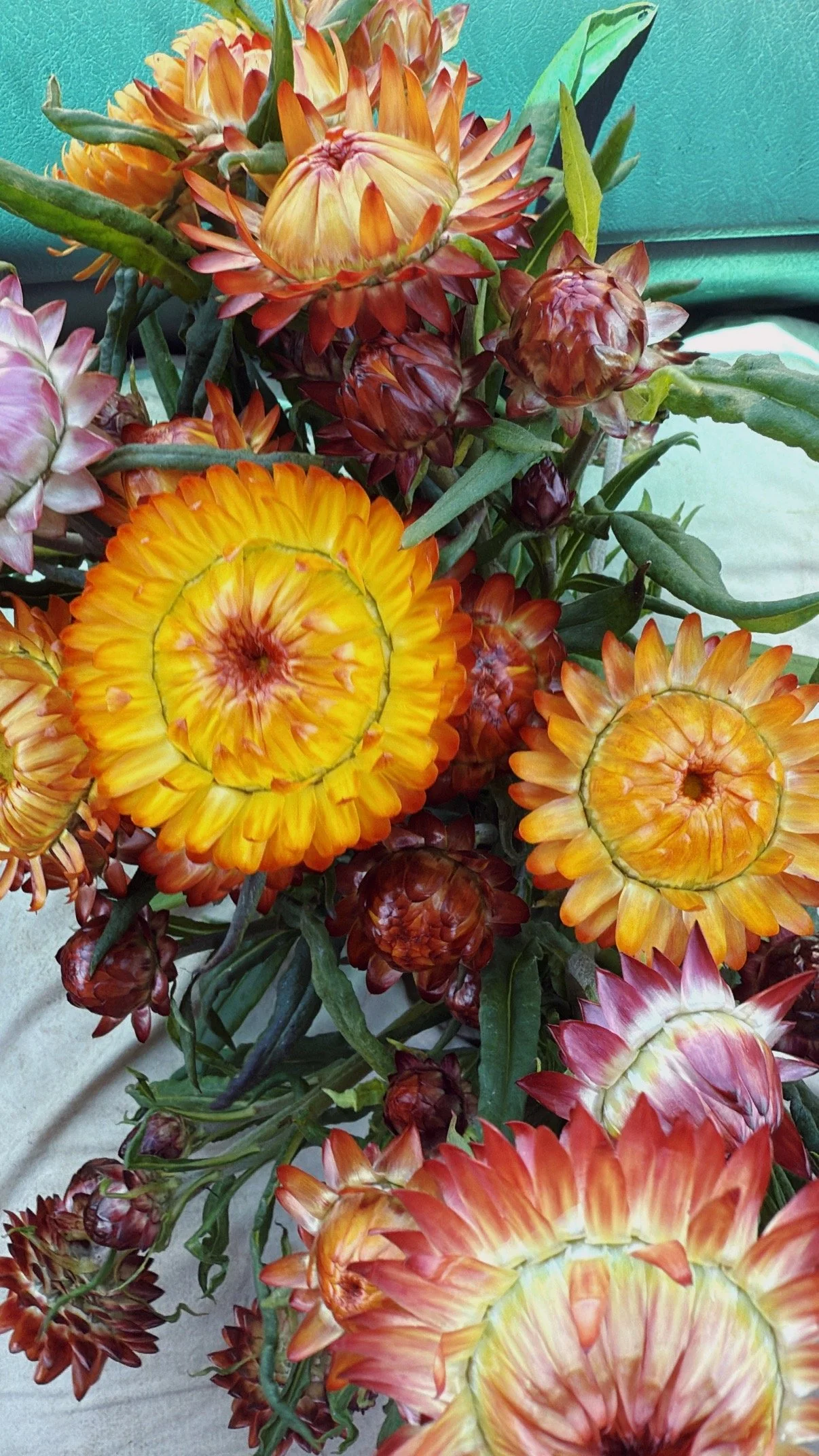
I’ll leave you with a poem that’s been hitting me this week.
“Let July be July.
Let August be August.
And let yourself
just be
even in the uncertainty…”
- Morgan Harper Nichols
Your farmers,
Jake and Jesse :)