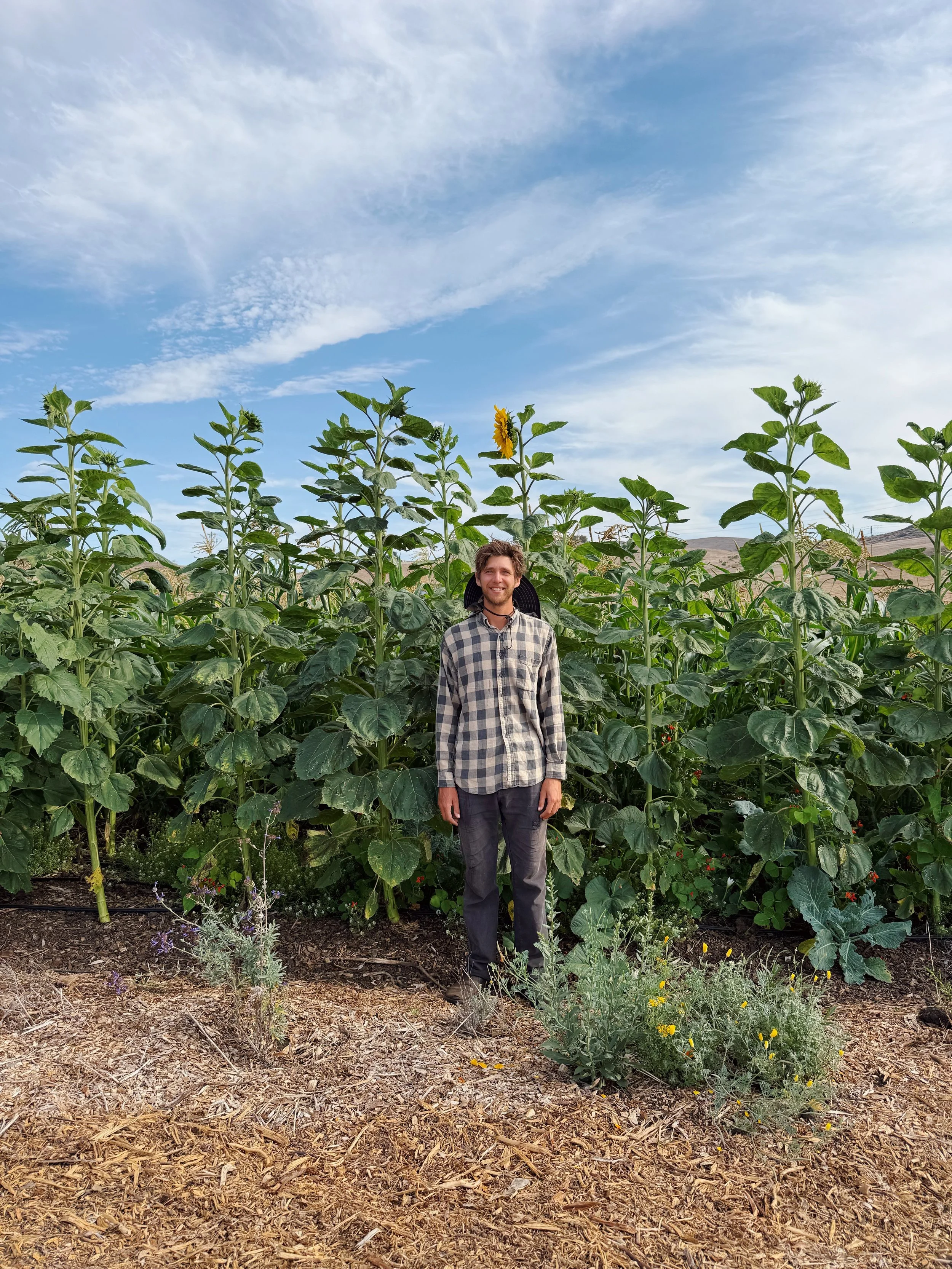

JAKE’S THOUGHTS: MANAGING OUR LAND WITH CATTLE
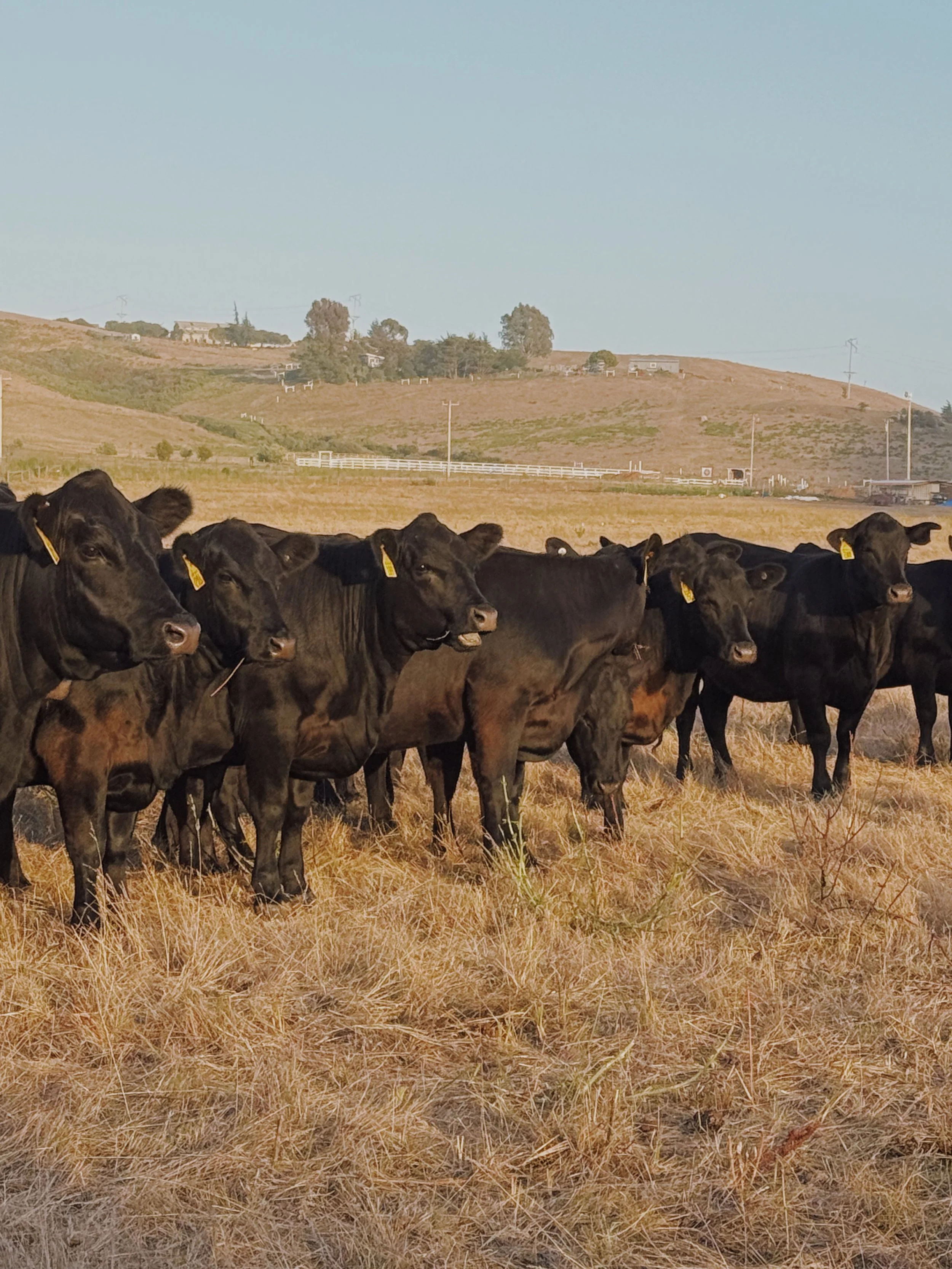
LAND STEWARDSHIP WITH CATTLE
It’s happening! Jake took a few hours to sit at his computer and write something for the newsletter.
“Okay, I gotta get to the farm!” It’s what makes Jake a great farmer, he just loves it so much, its hard for him to be away.
Today we’re taking a little dive into land stewardship and not our vegetable production, but the 140 acres of hillsides, creeks, and grasslands that surround the farm.
When we purchased this property, it had been set-stocked with cattle for years which left it with few native trees even in wettest spots and huge erosion headcuts. One of the many things that excited us about this place was the opportunity to be part of restoring the land. We’re doing that through rotational grazing, exclusion fencing, beaver dam analogs (more on those later), and native tree plantings.
Today’s newsletter is primarily about the role cattle can play in managing a landscape. How can we use livestock to mimic some of the ecological functions of the massive herds of herbivores that once moved across these grasslands, while avoiding the problems that come with keeping animals in one place for too long?
It's due time to write about this since we just said goodbye to the cows that we're here for 10 months this summer.
Okay, passing the metaphorical mic to Jakers:
Cattle have a massive impact on our planet. In college, I went vegan for a few years after learning about the negative impacts of livestock agriculture. But focusing only on the negatives can make it easy to overlook that there are many different ways to manage animals, and some systems can actually benefit the landscape.
Our native grasslands evolved with herbivores. Now that the massive herds of ungulates and predators that once moved across these landscapes are largely gone, I think there’s a collective responsibility for us to figure out how to steward herbivores in ways that work with, rather than against, the ecosystem.
This isn’t about confined feeding operations, which plague much of our agricultural system. We’re interested in grassland management and what we can learn from natural grazing patterns.
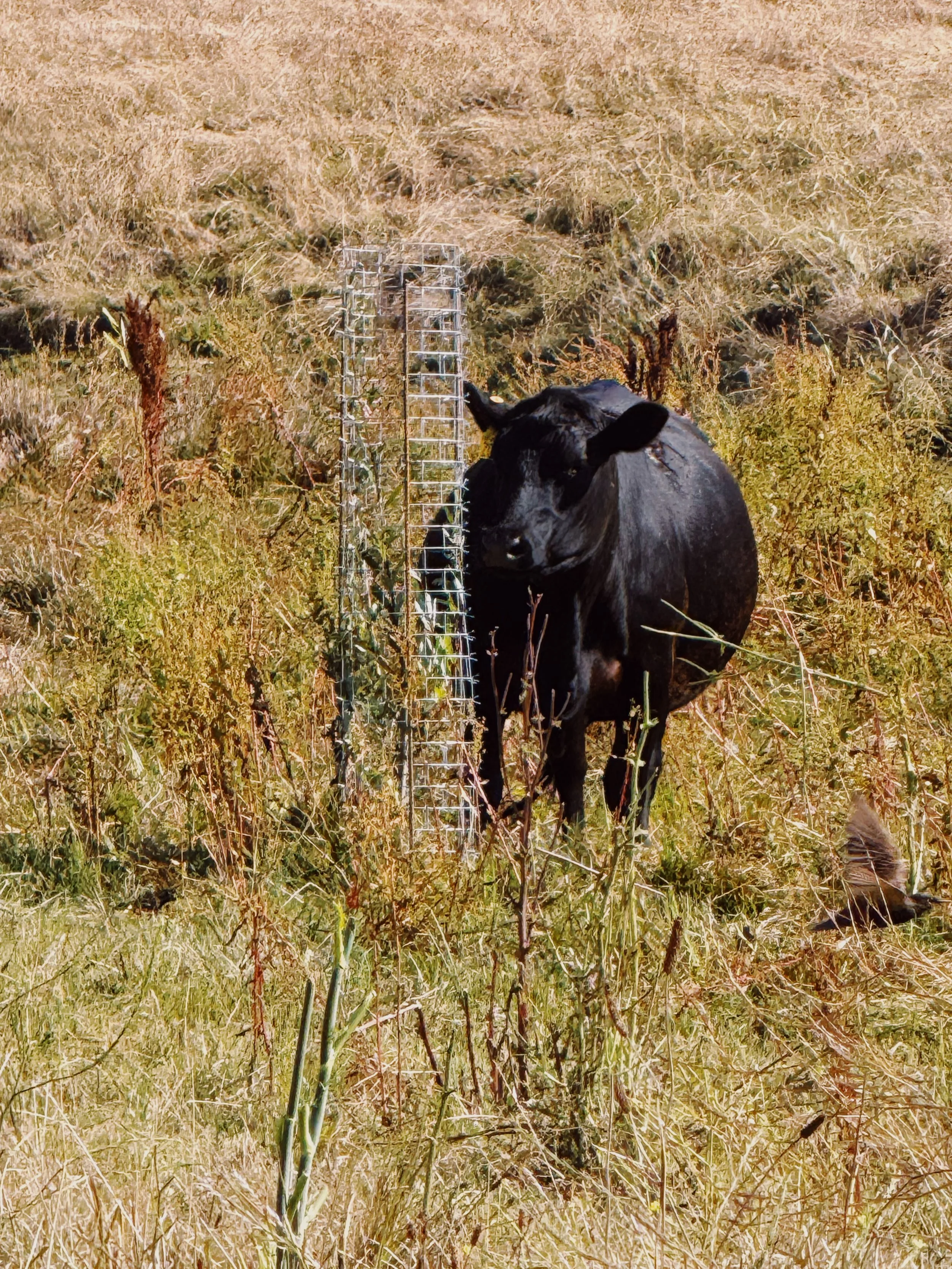
HERBIVORES ARE PART OF THE SYSTEM
One of our goals is to mimic some of the natural cycles that once existed here without having to purchase and manage our own herd year-round. To put it simply, we’re trying to borrow some lessons from the way bison once moved across the Great Plains.
In 1871, an estimated four million bison were observed in Kansas. These animals had a very high impact on the land, but they moved. They would graze an area heavily and then move on, potentially not returning for a full year.
Prairies evolved with this disturbance.
Grass is an incredible photosynthesizer and can sequester lots of carbon into rich soil. But as grass matures, it becomes less productive and begins to tan. Herbivores can come in and digest this older, higher-lignin material in their rumens, essentially fermentation tanks, and return the nutrients to the land through manure.
Year after year, this cycle builds organic material and contributes to the deep, nutrient-rich soils we associate with the prairie.
The important part is the rest period. The plants have time to recover before the herd returns.
PREDATORS PLAY A ROLE, TOO
Bison weren’t simply wandering around grazing. They were under constant pressure from predators such as wolves, and historically from human hunters. This could cause herds to move quickly, trampling grass and manure into the soil as they went. There was randomness in the system, too. Weather and other environmental conditions influenced where the animals moved from year to year. Doing the same thing over and over again in a complex system rarely works.
We can see the importance of predators in modern examples, too. After wolves were removed from Yellowstone, elk felt safer lingering around wooded creeks and began overgrazing areas they previously avoided. Willows and aspens declined, along with the beavers, birds, and fish that depended on those habitats. When wolves were reintroduced, elk behavior changed. Vegetation returned, and so did beavers, birds, and fish.
Obviously, we can’t just add wolves back into our agricultural system. Private land, livestock, pets, and a whole host of other considerations make that much more complicated. But we can borrow some of these insights and apply them to livestock management.
THE PROBLEM WITH SET STOCKING
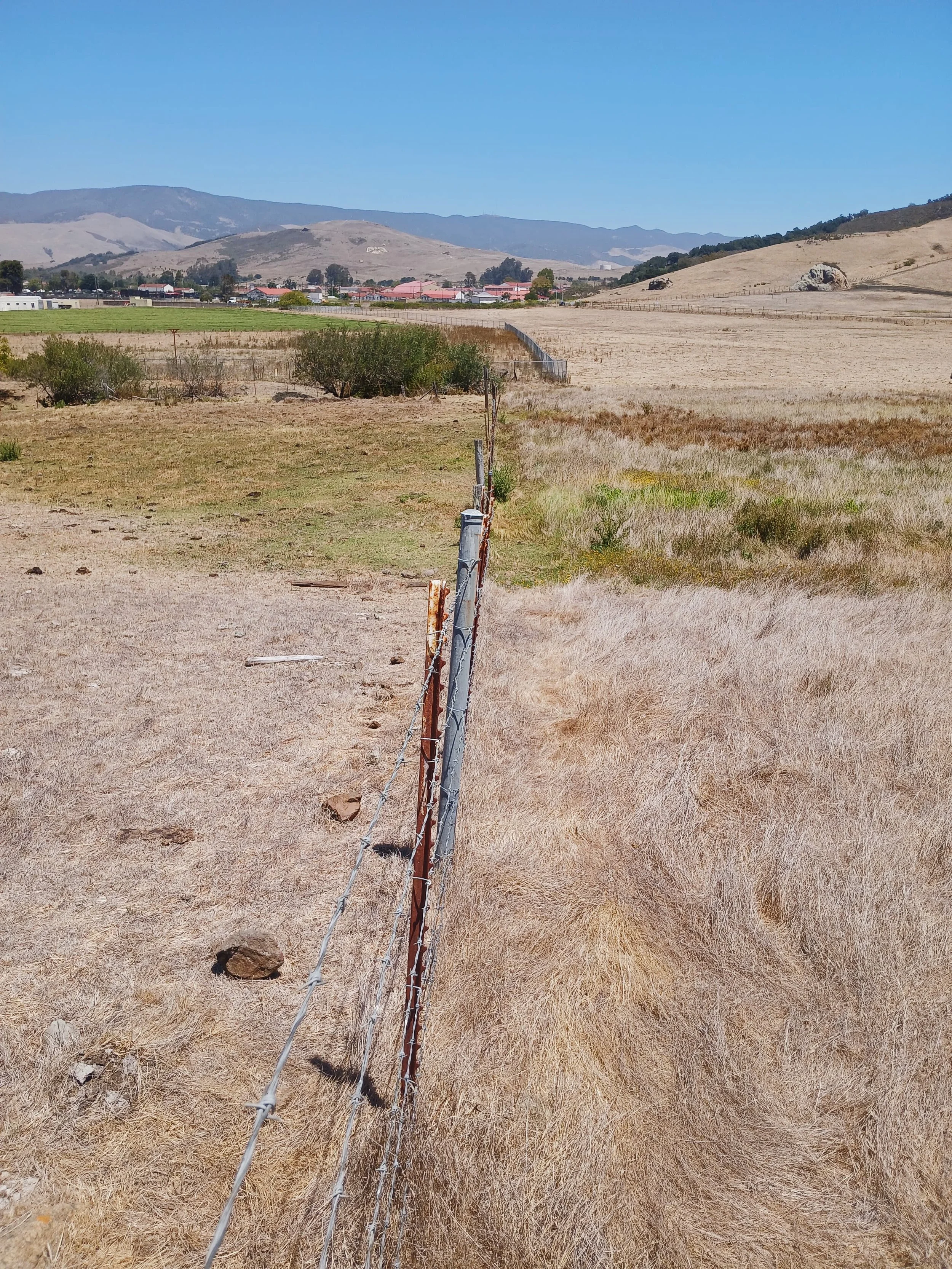
Most small properties in the area use a system called set stocking, where cattle stay in one large paddock for most of the year. It’s simple: one fenced area, one water point, and relatively little infrastructure.
The problem is that cattle prefer certain plants. Over time, they repeatedly graze those favorites while avoiding less palatable species. Imagine the cattle love a native perennial bunchgrass with long roots and stored energy underground. The cow takes a bite. Great, a haircut! The old growth is removed and new growth can emerge. But a month later, the cow sees that fresh green growth and takes another bite. Then another. And another.
Each time the grass regrows, it has to pull energy from its root system. If it gets grazed again before it has had time to fully recover, those reserves continue to decline. Eventually, the perennial bunchgrass loses the ability to compete. Over time, the pasture shifts away from those highly palatable perennial species toward plants that can withstand repeated grazing.
This is part of what helps explain why so many of the hillsides around SLO are now dominated by annual nonnative species like mustard, foxtail, and fennel. I imagine there were once many more perennial grasses, trees, shrubs, forbs, sedges, and rushes across this landscape.
Instead of asking, “How many cows can this pasture support?” we should be asking, “How can we move the cattle to meet the needs of the ecosystem?” The answer will be different for every farm, every year.
THE FIRST YEAR OF CREEK EXCLUSION
We lease our land to Molnar Cattle Co., who bring a large number of cattle onto the property for a relatively short period. This year, 68 cows in their third trimester of pregnancy grazed the property.
That’s more cattle than our land could support if they were here year-round. Instead, our grazing period is short and the density is high. We fence off riparian areas and other sensitive areas, then give the plants long periods of rest.
We use polywire and polyposts to make this possible. I learned much of this while working at Paicines Ranch in Hollister, CA. The fencing is highly adaptive, easy to put up, move, and reconfigure as conditions change. A solar-powered energizer keeps the fence hot, so a single strand is enough to contain or exclude cattle.
We got much of this material through an NRCS EQIP match program, and we’re already strategizing for next year's fence lines. We still lack the water infrastructure needed for a truly robust multi-paddock system, but we’re learning as we go.
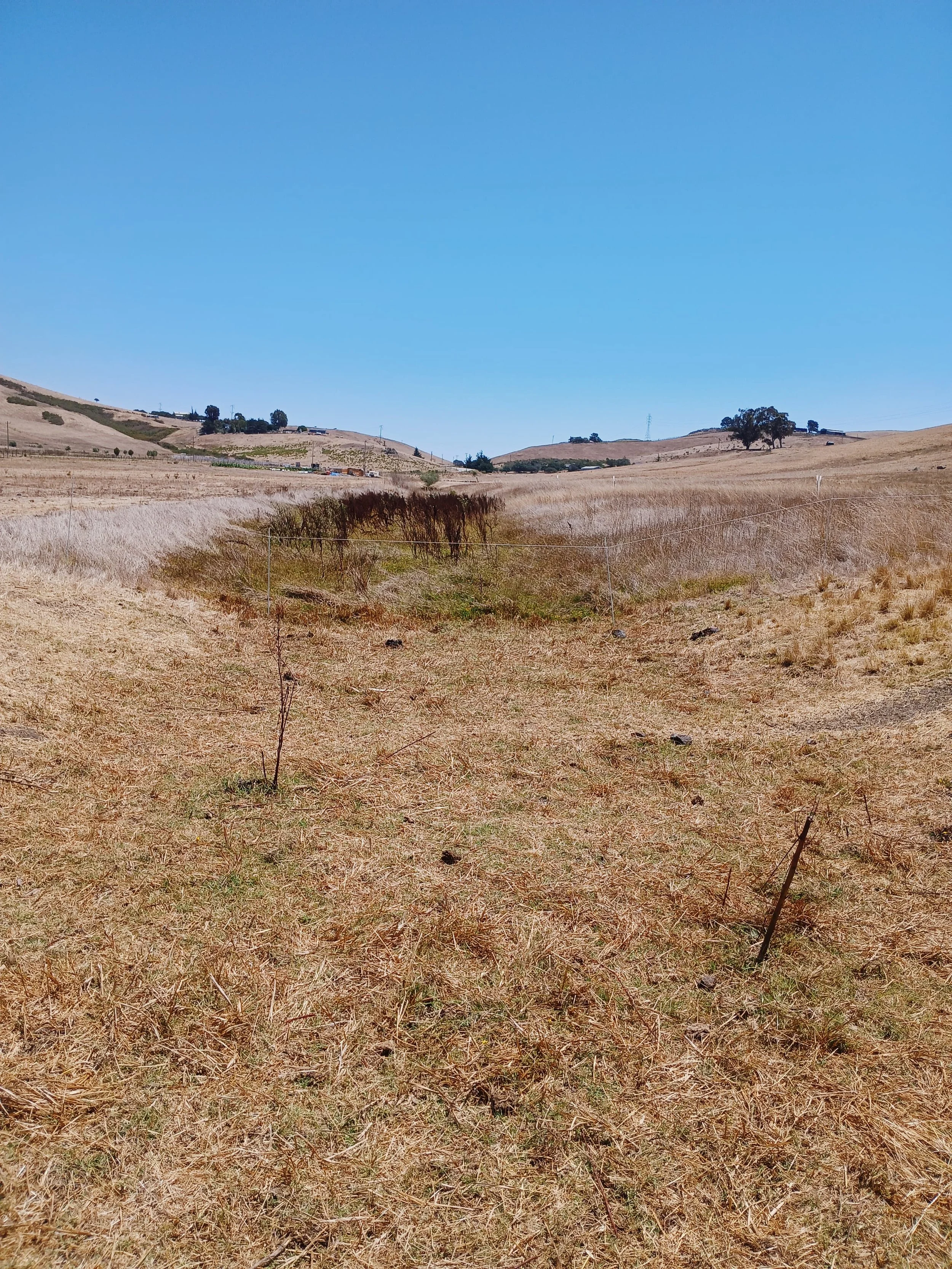
One of the most exciting changes we’ve seen this year with our new grazing style has happened around a spring on the property. We fenced off an area with perennial surface water, a rocky ravine with lots of small pools running down the hillside. We saw a boom in blooms. Native species we didn’t even realize were growing there appeared in mass: seep monkey flowers, leopard lily, columbine, and more. It was a pretty incredible reminder that sometimes the best thing we can do for a landscape is simply give it some space, especially in the areas that have been set stocked grazed for years and years.
KEEPING VEGETATION IN THE CREEK
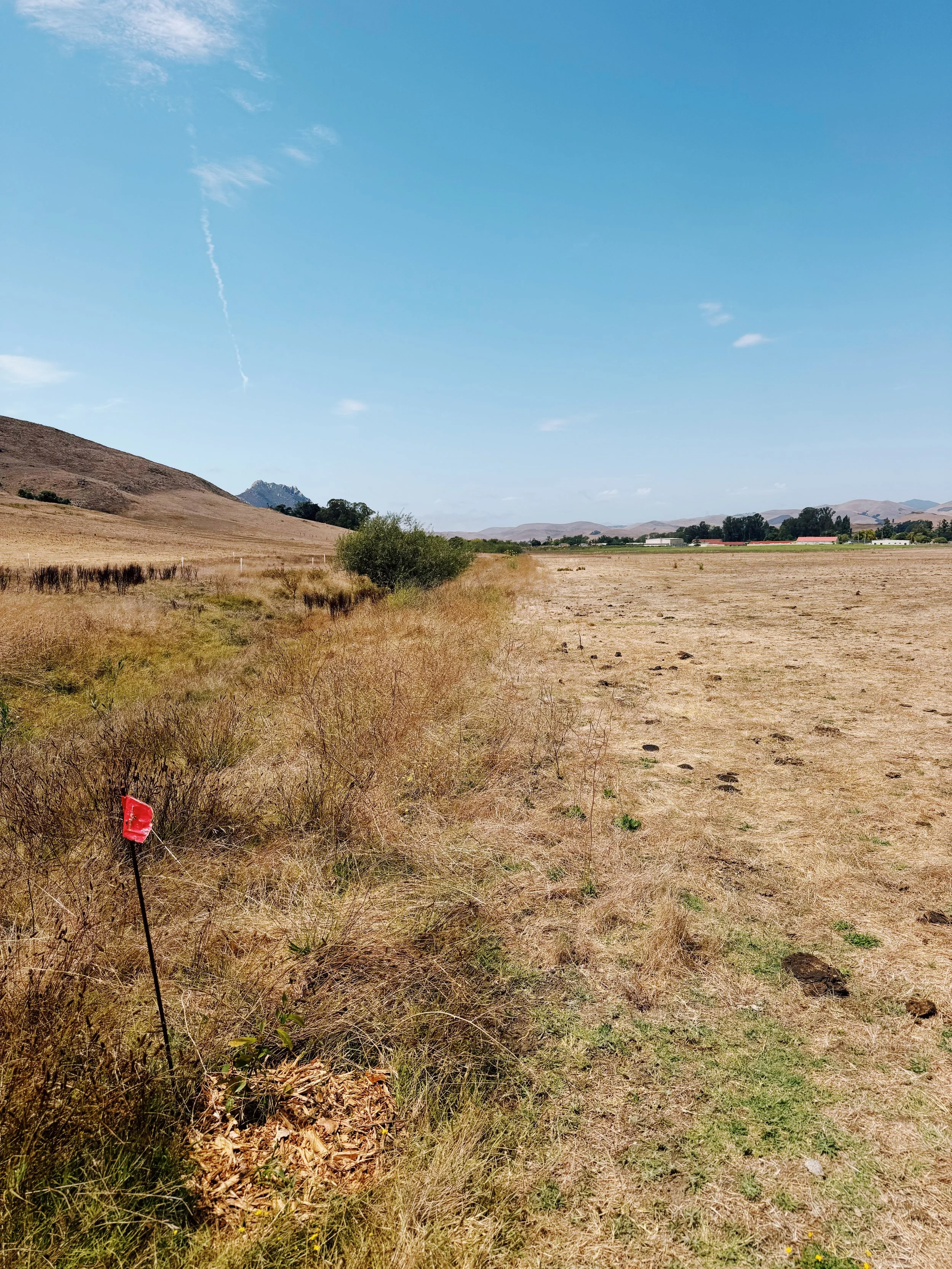
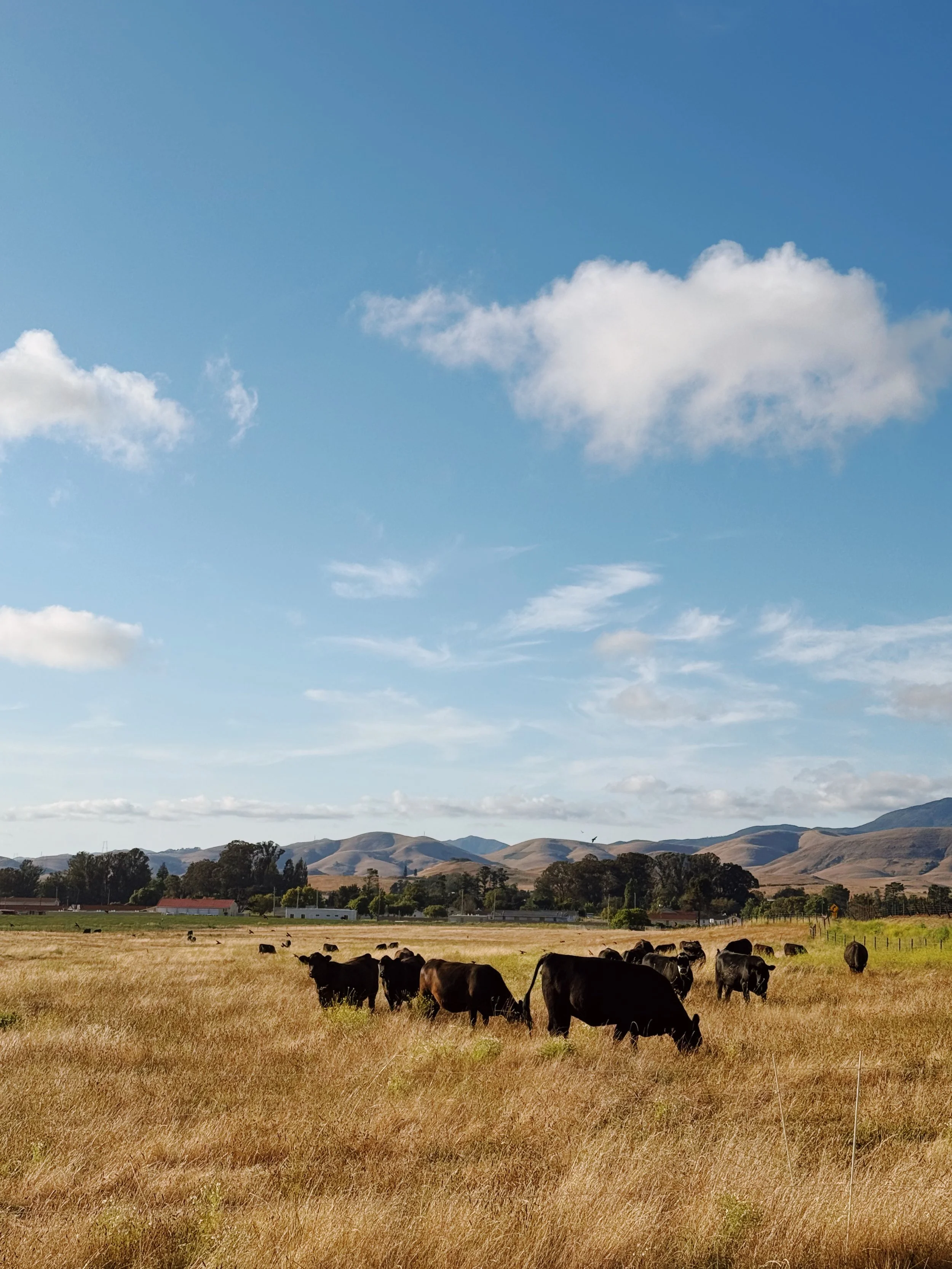
Fence lines are also great places to see the effects of different management side by side. We fenced off almost the entire creek, but left a roughly 30-foot gap at the end so the cows could be herded through to their corral for routine care. Where the cows were able to access the creek, the grass is very short. In some ways, that’s useful in removing old growth can create space for new growth. But our goal for the creek is to transition toward perennial riparian vegetation like willows and oaks. We also want to slow the water down and catch the erosion coming off the hillsides.
Our hope is to raise the creek bed over time by slowing the water and allowing sediment to settle out. This process is called aggradation. Eventually, a higher creek bed can reconnect with its floodplain, allowing nutrient-rich water to spread across the lower parts of the property. That means a wetter landscape, more plants, healthier soil, and more biodiversity.
The tall grasses, sedges, rushes, and other vegetation along the fenced creek act like fingers, slowing the water and catching fine sediment. Where the cows graze heavily, the water moves faster and there’s less vegetation to catch it. Exposed soil is much easier to erode. By fencing the creek and managing where the livestock can graze, we’re trying to preserve the perennial plants that are already here, protect new plantings, keep roots in the ground, and leave enough vegetation standing to slow water and catch sediment. And there have been some unintended benefits, too. I’ve been seeing red-winged blackbird nests tucked into the tall rushes, nests that would have been much more vulnerable if those plants had been grazed down.
That’s what makes land stewardship so interesting. There’s rarely one simple answer. Cattle can degrade a landscape, but they can also be one tool for restoring it. Grazing can remove old growth and stimulate new growth, but only if plants are given enough time to recover.
We’re still figuring it out, and I guess that’s the fun part. Thanks for reading about our little experiment in stewarding this land.
THIS WEEK’S HARVEST
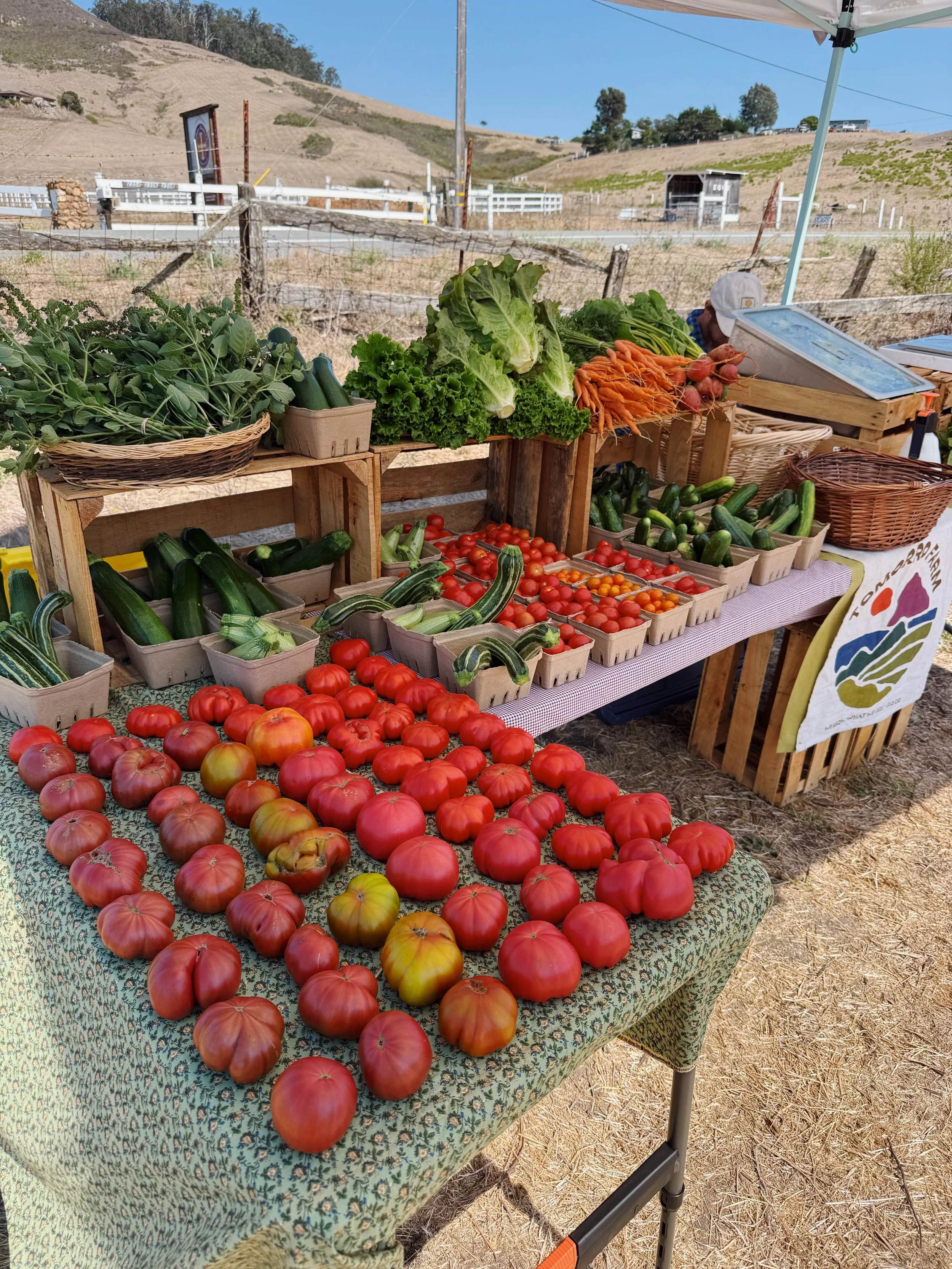
Summer crops:
Heirloom Tomatoes
Paste Tomatoes
Slicer Tomatoes
Cherry Tomatoes
Zucchini
Persian Cucumbers
Armenian Cucumbers are here!
Greens:
Mellow Mix - cut lettuce blend
Green and Red Leaf Head Lettuce (available at the Avocado Shack)
Endive Frisee
Other:
Garlic
Radishes
Ruby Red Chard
Fresh herb bundles (now available at the co-op!)
Tarragon
Genovese Basil
Thai Basil
Tulsi Basil
Sage
Cilantro
Thyme
Strawflower Bouquets!
See you at the farmstand on Monday (4-6:30) and the Morro Bay Thursday Market (2-4:30).
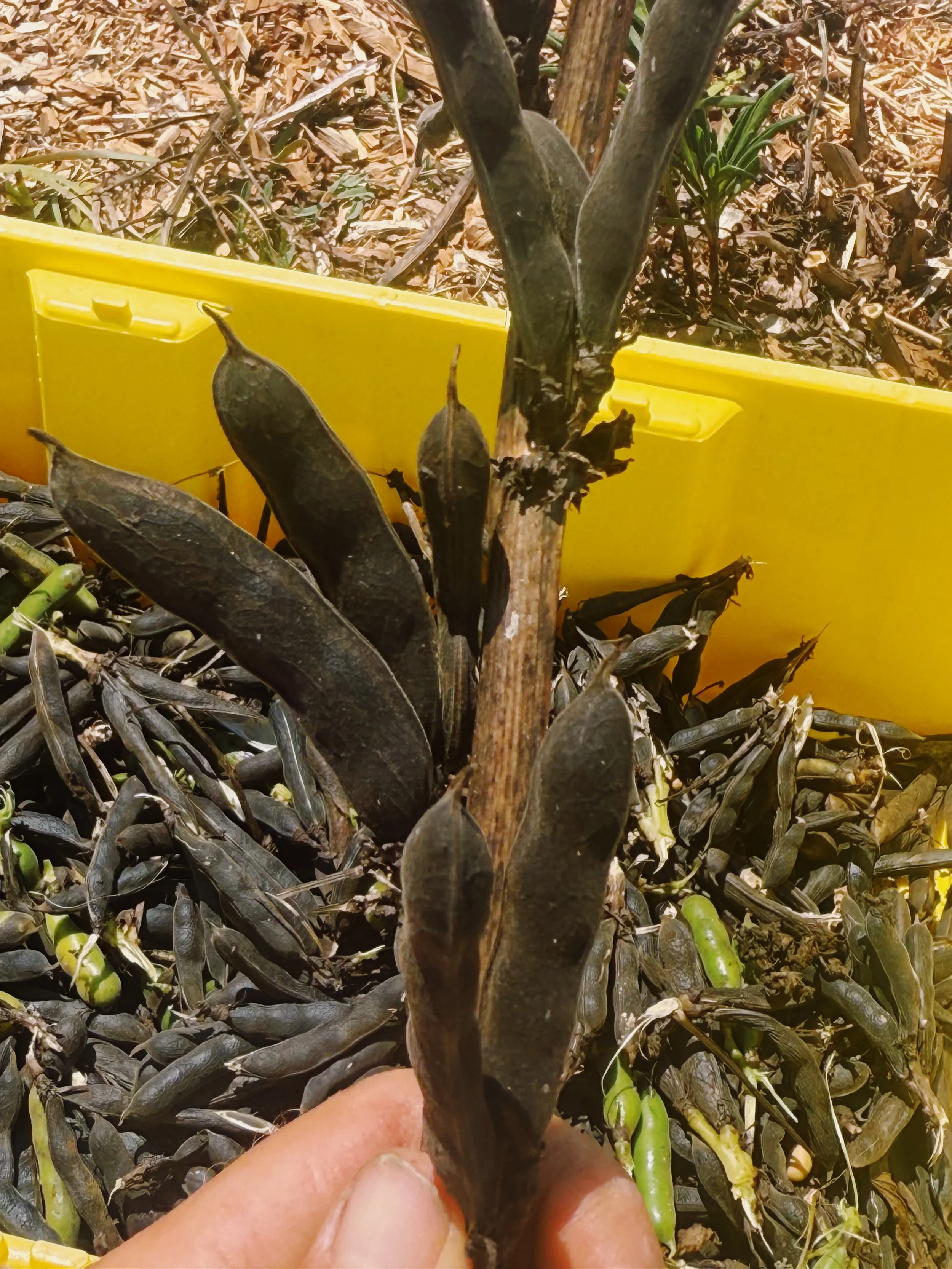
Back to seed saving and tree planting and harvesting and bed flipping.
Your farmers,
Jake & Jesse :)